Contact for Pricing
Overview
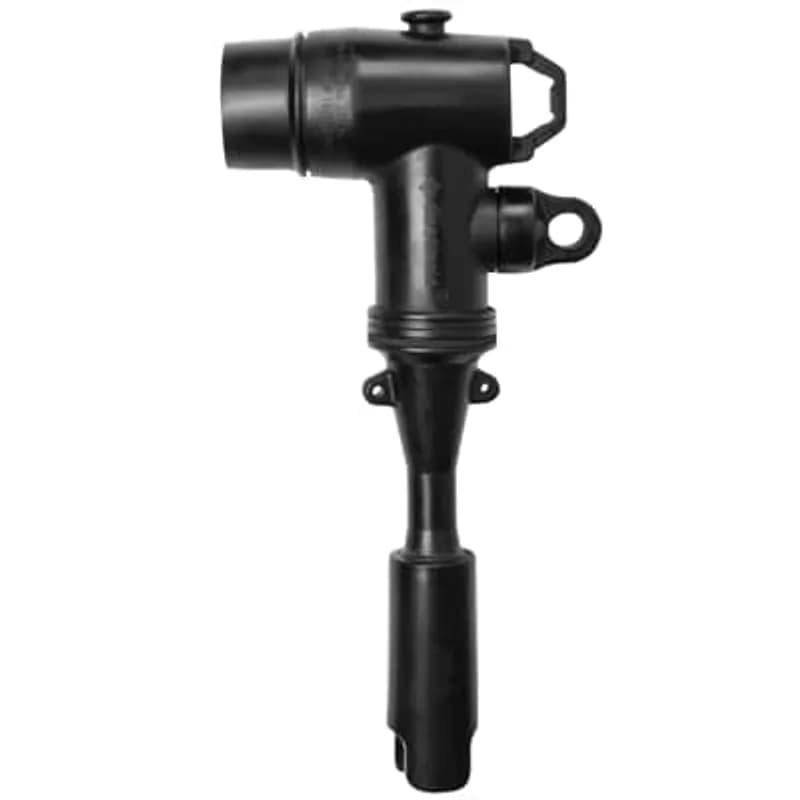
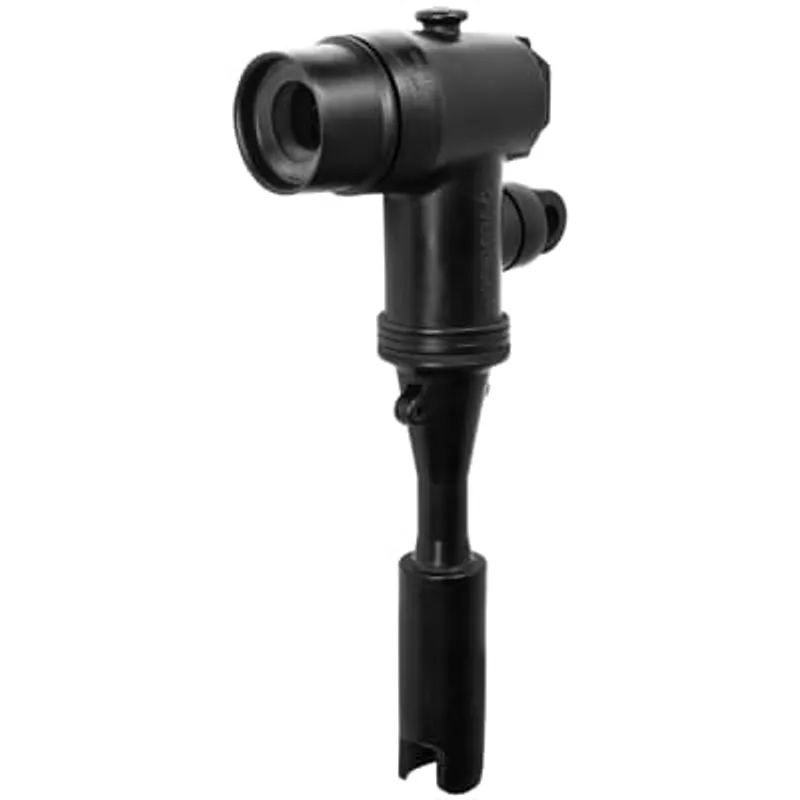
- 250 Amp, 12/20 kV Deadbreak Elbow Connector
- Integrated Test Point for Circuit Testing
- Accommodates Cable Insulation Diameter: 16.13 mm - 22.90 mm
- Copper Compression Lug for 25mm² Conductor Size
- Includes Complete Installation Kit
Specifications
Amperage Rating | 250 A |
Application | 12/20 (24) kV |
Color | Black |
Conductor Range | 25 mm |
Connection | Compression |
Connection Type | Deadbreak, Compression Lug |
Current Rating | 250 A |
Environmental Conditions | Harsh Conditions |
Insulation | True |
Material | Copper, Polyethylene (Elbow Housing) |
Material | Housing - EPDM-Rubber |
Series | 252LRJS |
Size | Cable Insulation Diameter: 16.13 mm - 22.90 mm |
Special Features | Robust Stainless Steel Pulling Eye. Dual Grounding Eye Positions. Designed to Remain Fully Operational in Harsh Conditions. Built-In Jacket Seal |
Standard | IEC 60502-4, CEN 629.1 S2 |
Temperature Rating, Maximum | 149 F |
Temperature Rating, Maximum | 65 C |
Temperature Rating, Minimum | -40 F |
Temperature Rating, Minimum | -40 C |
Type | Deadbreak Elbow Connector with Test Point and Jacket Seal |
Voltage Rating | 15 to 25 kV |
Voltage Rating | 24 kV |
Package Dimensions (L x W x H) | 0.01 IN x 0.01 IN x 0.01 IN |
Package Dimensions (L x W x H) | 0.0254 cm x 0.0254 cm x 0.0254 cm |
Package Weight (Imperial) | 1.0000 L |
Package Weight (Metric) | 0.4540 kg |
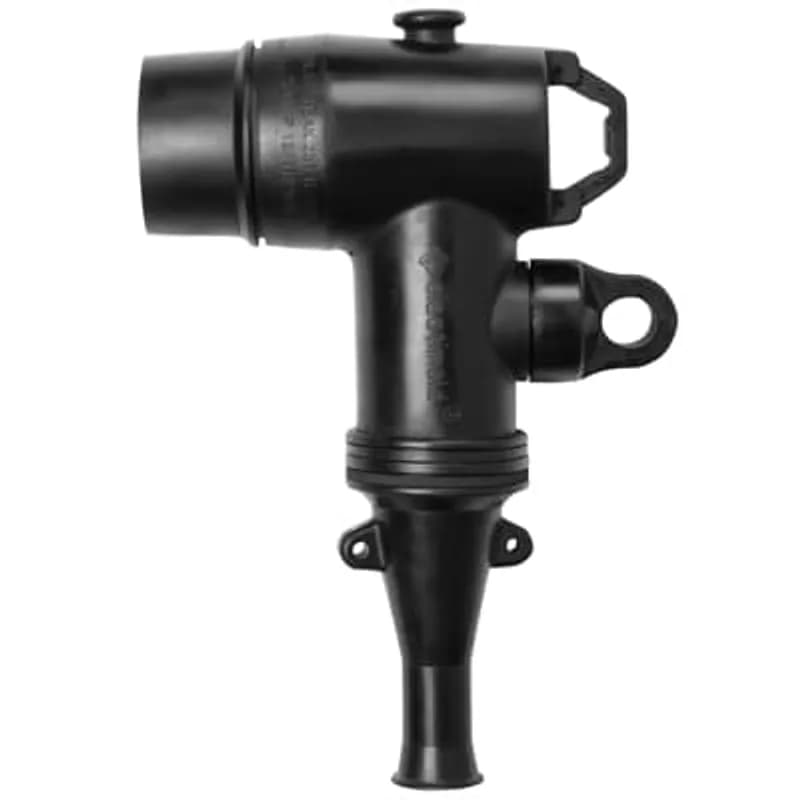
252LR-B2025
12/20 24kV, 250 Amp, Deadbreak, Elbow Connector with Test Point, No Sealing Kit, Cable Insulation Diameter - 16.13 mm - 22.90 mm, Copper Compression Lug, Conductor Size 25mm. Includes Elbow Connector Housing, Compression Lug, Probe, Probe Wrench, Bail Assembly, Tube of Lubricant, Installation Instructions, Crimp Chart and V.D. Cap-Peroxide. IEC Standard.
252LR-C2070-S
12/20 24kV, 250 Amp, Deadbreak, Elbow Connector with Test Point, with Sealing Kit, Cable Insulation Diameter - 20.45 mm - 26.92 mm, Copper Compression Lug, Conductor Size 70mm. Includes Elbow Connector Housing, Compression Lug, Probe, Probe Wrench, Bail Assembly, Tube of Lubricant, Installation Instructions, Crimp Chart and V.D. Cap-Peroxide. IEC Standard.252LRJS-B2050
12/20 24kV, 250 Amp, Deadbreak, Elbow Connector with Test Point, with Jacket Seal, Cable Insulation Diameter - .16.13 mm - 22.90 mm, Copper Compression Lug, Conductor Size 50mm. Includes Elbow Connector Housing, Compression Lug, Probe, Probe Wrench, Bail Assembly, Tube of Lubricant, Installation Instructions, Crimp Chart and V.D. Cap-Peroxide.252LRJS-C2070
12/20 24kV, 250 Amp, Deadbreak, Elbow Connector with Test Point, with Jacket Seal, Cable Insulation Diameter - 20.45 mm - 26.92 mm, Copper Compression Lug, Conductor Size 70mm. Includes Elbow Connector Housing, Compression Lug, Probe, Probe Wrench, Bail Assembly, Tube of Lubricant, Installation Instructions, Crimp Chart and V.D. Cap-Peroxide.252LRJS-B2035
12/20 24kV, 250 Amp, Deadbreak, Elbow Connector with Test Point, with Jacket Seal, Cable Insulation Diameter - 16.13 mm - 22.90 mm, Copper Compression Lug, Conductor Size 35mm. Includes Elbow Connector Housing, Compression Lug, Probe, Probe Wrench, Bail Assembly, Tube of Lubricant, Installation Instructions, Crimp Chart and V.D. Cap-Peroxide.
K656CCPG0240S
15/25kV, 600 Amp Combo-T Elbow/Connecting Pluf with Stud, Cable Adapter and Lug Kit with Test Point and with 200ECS Cold Scrinkable Jacket Seal. Cable Insulation Diameter G - 0.760 to 0.950 inch. Aluminum Compression Lug, Conductor Size 240 - 1/0 Stranded/Compressed or 2/0 Solid/Compact.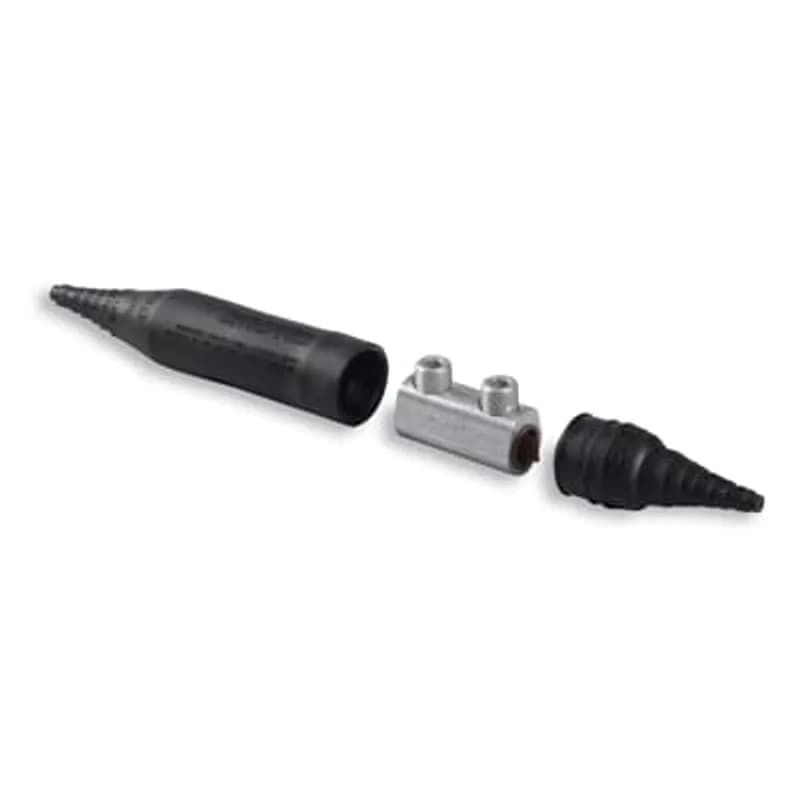
6010 K
Tin Plated Aluminum Mechanical Splice Flood Seal Kit, Contains One 61/64 inch long Mechanical Lug with 2 Screws tapped 5/16-24 UNF-2B, Flood Seal Cap with Liner and Rocket, and Oxide Inhibiting Compound. Wire Size #2 to #14 CU7AL. UL Listed.How to Install the 252LRJS Deadbreak Elbow Connector
This guide provides detailed instructions for the safe installation and wiring of the 252LRJS Deadbreak Elbow Connector, designed for terminating UD cable with jacketed concentric neutral and semi-con shielding onto a 25kV class deadbreak bushing or accessory device. Ensure all apparatus is de-energized before beginning installation.
Estimated time: 1h 30m
Tools needed:
Probe wrench, Hot stick (fully insulated), Wire brush, Crimp tool, Wire strippers, Vinyl tape, Suitable sensing device (for voltage test)
Supplies needed:
252LRJS Elbow Connector Housing, Compression Lug, Probe, Lubricant (supplied), Hold-down Bail, Mastic strips (at least 3), No. 14 AWG / 2.5mm copper wire (or equivalent), Appropriate connector (for neutral to ground), HV insulated cap(s) or connector(s) (if replacing shipping covers)
- De-energize and Inspect Components
Ensure all apparatus is de-energized during installation or removal of any parts. Inspect all components for damage, verify ratings, and confirm compatibility with mating parts. Remove any protective shipping covers and replace with appropriate HV insulated caps or connectors before submerging or energizing the circuit.
- Perform Pre-Installation Checks
Verify the elbow housing cable entrance size and compression lug size are appropriate for the cable. Check the threads by hand-threading the probe into the compression lug; if resistance is encountered, inspect for damage and replace components as needed. Ensure all required tools are at hand and maintain cleanliness throughout the procedure.
- Train the Cable
Train the cable to ensure sufficient slack for ease of operation. Provide an extra length of 24-26 inches of concentric neutral wires or grounding braid beyond the bushing centerline to facilitate hotstick operation and connection to the tank ground. Unwrap the neutral wires back past the bushing centerline and cut the excess cable squarely at the bushing centerline.
- Prepare the Cable End
Wrap one strip of mastic, stretching slightly, around the cable jacket. Bend all neutral wires straight back over the mastic and along the cable, pressing them firmly into the mastic. Wrap a second strip of mastic completely around the outer jacket, overlapping the imbedded neutral wires. Use a third strip of mastic if needed to build up the outer diameter in the area of the first mastic location. Cover all mastic with vinyl tape. Remove the insulation shield and insulation from the cable end, cutting squarely and taking care not to nick the conductor. Bevel the insulation end by a maximum of 1/8 inch. Thoroughly clean the insulation to remove all traces of conductive residue.
- Install the Compression Lug
Wire brush bare aluminum conductors immediately before installation. Install the compression lug, rotating it to spread inhibitor. Position the compression lug so its contact threaded hole aligns with the bushing bore. Crimp the lug according to the crimp chart provided, starting at the crimp line mark and rotating 180 degrees for each successive crimp. Carefully wipe any excessive inhibitor from the outside of the lug and cable.
- Assemble the Elbow Housing
Clean and lubricate the cable insulation and the inside of the elbow housing with the supplied lubricant; do not substitute. Slide the elbow connector onto the cable with a back-and-forth twisting motion. Wipe off all excess silicone lubricant. Align the elbow with the compression lug's threaded hole. Thread the probe into the lug by hand, ensuring not to cross-thread, then tighten with the probe wrench until the wrench bends.
- Install the Hold-down Bail
Place the hold-down bail into the hold-down bracket. Compress the bail and insert it securely into the brackets.
- Connect the Concentric Neutral
Pull the hood over the concentric neutral seal area on the cable by pulling the tabs or rolling the seal down. Insert one end of a separate No. 14 AWG (2.5mm) copper wire or equivalent through the grounding eye on the elbow and twist tightly, taking care not to damage the eye. Twist all neutral wires together and connect them to ground using an appropriate connector, ensuring adequate slack for elbow operation.
- Connect Elbow to Bushing Plug
Clean the receptacle portion of the elbow connector and the mating bushing, then lubricate with the supplied lubricant ONLY if the transformer and elbow are known to be de-energized. Use a fully insulated hot stick to place the elbow onto the bushing. Do not operate by hand or separate if energized.
- Secure the Elbow with Bail
Pull the hold-down bail up over the crown or top of the elbow so that the eyebolt on the bail is directly over the operating eye. Tighten down on the elbow locator by turning the eyebolt clockwise. Adjust the nut on the eyebolt to allow the eyebolt to seat securely in the locator, acting as a stop to prevent excessive force on the elbow. Once set, the nut will not require readjustment for future removal and replacement.
- Perform Voltage Test (Recommended)
If the elbow is equipped with an integral capacitance test point, remove the test point cap with a hotstick by peeling it off at an angle. Use a suitable sensing device, designed for capacitive test points, to determine if the cable is energized. Do not use conventional voltage measuring equipment. After testing, clean and lubricate the inside surface of the cap with the supplied lubricant and replace it on the test point. Treat the elbow as energized until the 'no voltage' indication is confirmed by other means to prevent serious injury.
Frequently Asked Questions about ABB - Installation Products
How are Thomas and Betts products typically installed?
Thomas and Betts products are installed using a variety of methods tailored to specific applications, including the use of flexible cords and cable fittings, non-metallic cable glands, and armored cable fittings. Proper selection of fittings is crucial to match the cable type and installation environment, ensuring durability and preventing physical damage. Tools such as the Blackburn® Comfort Crimp® and HEX-FLEX® systems enhance installation efficiency and reliability, reducing labor time and ensuring secure connections.
What accessories are available for Thomas and Betts products?
Thomas and Betts offers a comprehensive range of accessories for their products, including various cord and cable fittings, non-metallic cable glands, service entrance cable fittings, and armored cable fittings. Their accessories are designed to enhance installation efficiency and ensure compatibility with different cable types and environmental conditions, providing reliable connections for a wide array of applications.
What environmental ratings do Thomas and Betts products have?
Thomas and Betts products feature robust environmental ratings, including NEMA Type 1, 2, 3, 4, 4X, 12, and 13 certifications, as well as IEC 60529 IP66 protection. These ratings ensure that their products are designed to withstand harsh industrial environments, with capabilities to resist dust, water, and corrosion, and operate effectively in a wide temperature range.
What communication protocols do Thomas and Betts products support?
Thomas and Betts products support a wide range of industrial communication protocols, including Ethernet, DeviceNet, PROFIBUS, Modbus, CANopen, and others. This extensive compatibility ensures seamless integration and reliable communication across various industrial automation systems, catering to diverse application needs.
What are the key features of Thomas and Betts products?
Thomas and Betts products are known for their innovative designs, high performance, and compliance with industry standards such as the National Electrical Code and Underwriters' Laboratories. They offer a comprehensive range of rugged and reliable electrical fittings, including liquidtight and dust-tight connections, which enhance installation efficiency and reduce overall project costs. Their products are engineered for durability in harsh environments, ensuring long-term reliability and lower installed costs.
What are the main product lines offered by Thomas and Betts?
Thomas and Betts offers a comprehensive range of product lines including electrical connectors, cable management systems, grounding and bonding solutions, and industrial automation components. Their products are designed for durability and reliability in demanding industrial environments, ensuring optimal performance and safety across various applications.
What technical support does Thomas and Betts offer?
Thomas and Betts offers comprehensive technical support, including access to field application engineers for onsite training and installation assistance. Their technical support staff is available to address inquiries related to product specifications and installation practices, ensuring optimal performance and safety of electrical systems. Additionally, they provide a variety of training programs to enhance the knowledge and skills of users in the field.
What industries and applications are Thomas and Betts products used for?
Thomas and Betts products are utilized across various industries including electrical construction, industrial automation, telecommunications, and utilities. Their extensive range of cord and cable fittings, electrical boxes, and metal framing systems are designed for applications that require durability and reliability in harsh environments, ensuring optimal performance in both permanent and temporary installations.
What certifications and standards do Thomas and Betts products comply with?
Thomas and Betts products comply with critical international certifications including UL (Underwriters Laboratories), CSA (Canadian Standards Association), and CE (European Community). Our products are designed to meet rigorous industrial standards such as NEMA enclosure ratings and IEC 60529 IP ratings, ensuring safety and reliability across various industrial applications.
What are the main product lines offered by Ocal?
Ocal offers a comprehensive range of corrosion-resistant conduit systems, including PVC-coated conduit and fittings, conduit bodies, hazardous location fittings, and strut accessories. Their products are designed to provide superior corrosion protection, featuring a hot-dipped galvanizing process and UL listed Type 4X PVC-coated conduit bodies, ensuring durability in the most demanding environments.