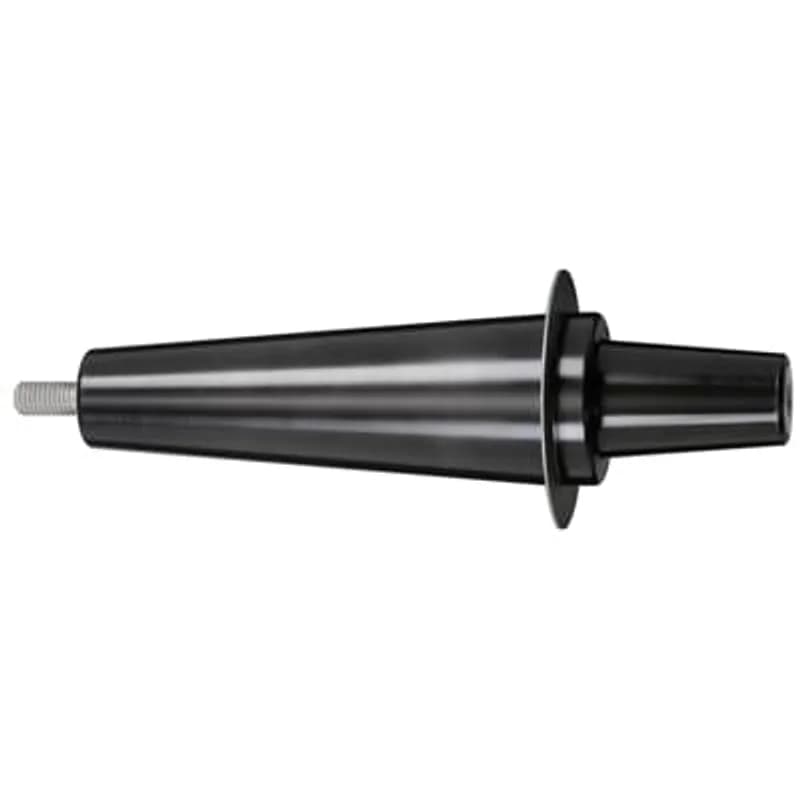
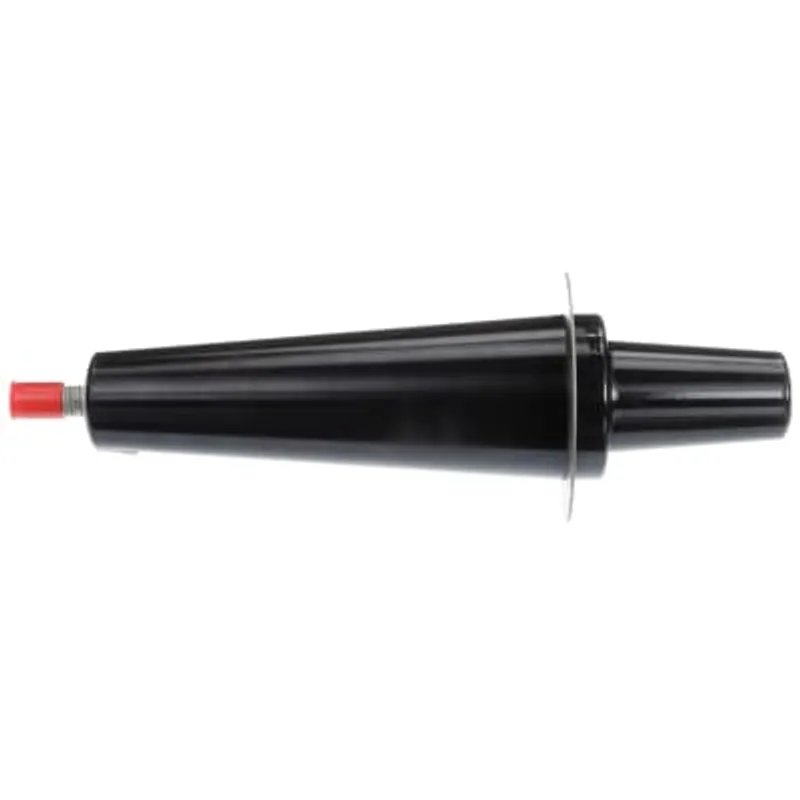
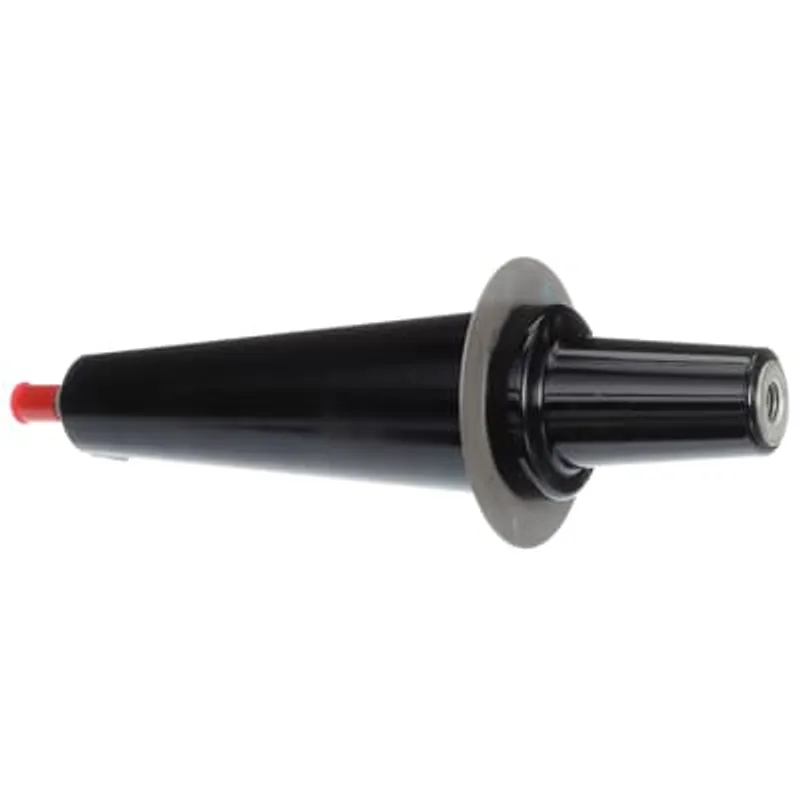
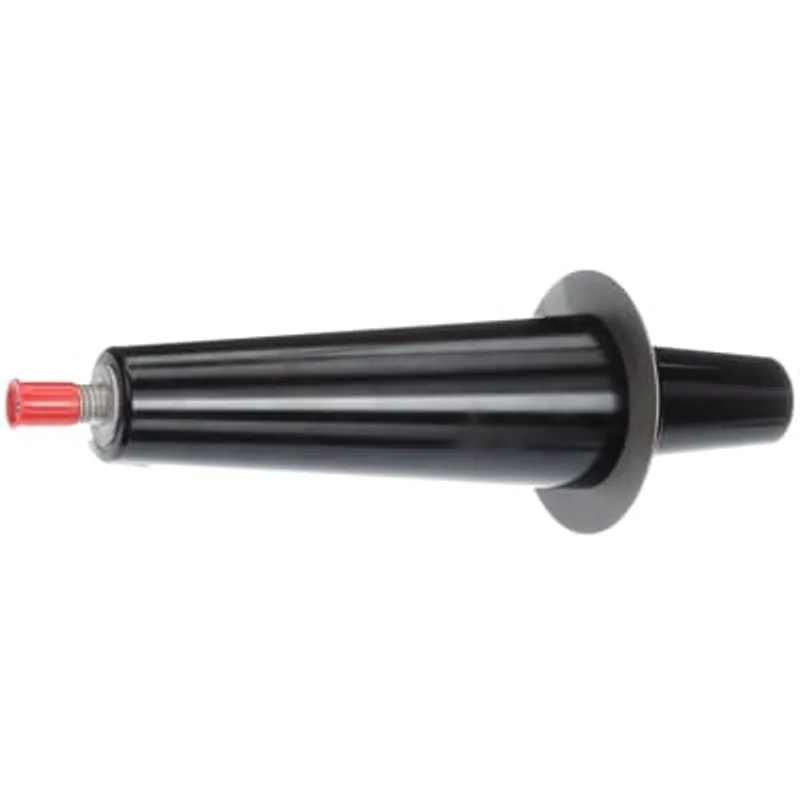
ABB Installation Products K650-T1 600 Amp, Long Shank Bushing without Stud, 15/25kV, 8-9/16 inch long
UPC: 783786659876
Contact for Pricing
Call +1 (262) 252-1600 (toll-free 877-268-3700) or email [email protected] for pricing and availability.
Overview
- 600 Amp current rating for high-capacity applications
- 15/25kV voltage class for medium-voltage systems
- 8-9/16 inch long shank for extended reach and clearance
- Designed and manufactured by ABB - Installation Products
- Bushing without stud for flexible mounting configurations
Specifications
Application | 15/25 kV, 600 Amps |
Size | 8-9/16 in |
Type | Long Shank Bushing |
Package Dimensions (L x W x H) | 0.01 IN x 0.01 IN x 0.01 IN |
Package Dimensions (L x W x H) | 0.0254 cm x 0.0254 cm x 0.0254 cm |
Package Weight (Imperial) | 5.2400 L |
Package Weight (Metric) | 2.3770 kg |
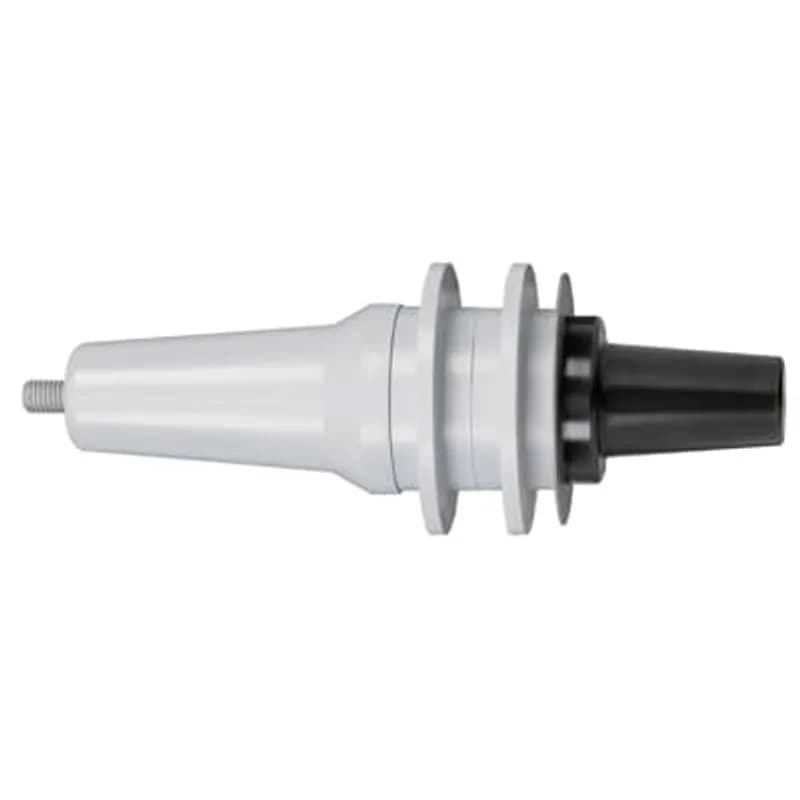
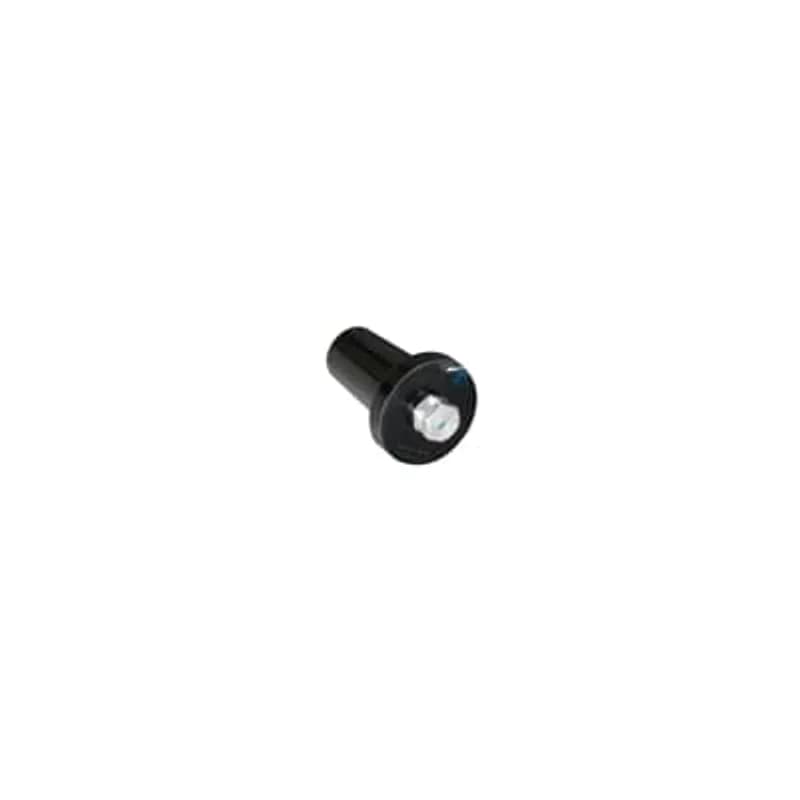
K675TBC
15/25kV, 900 Amp, Deadbreak Bushing for In-Air Applications (Pad-Mounted or Vault-Type or Submersible Transformers or Switchgear). One Factory installed 5/8-11 UNC-2A Stud included, other Stud must be Purchased Separately. Overall Length 13.75 inch, Diameter 4.50 inch. Molded Epoxy with Stainless Steel Flange. Boot and Collar.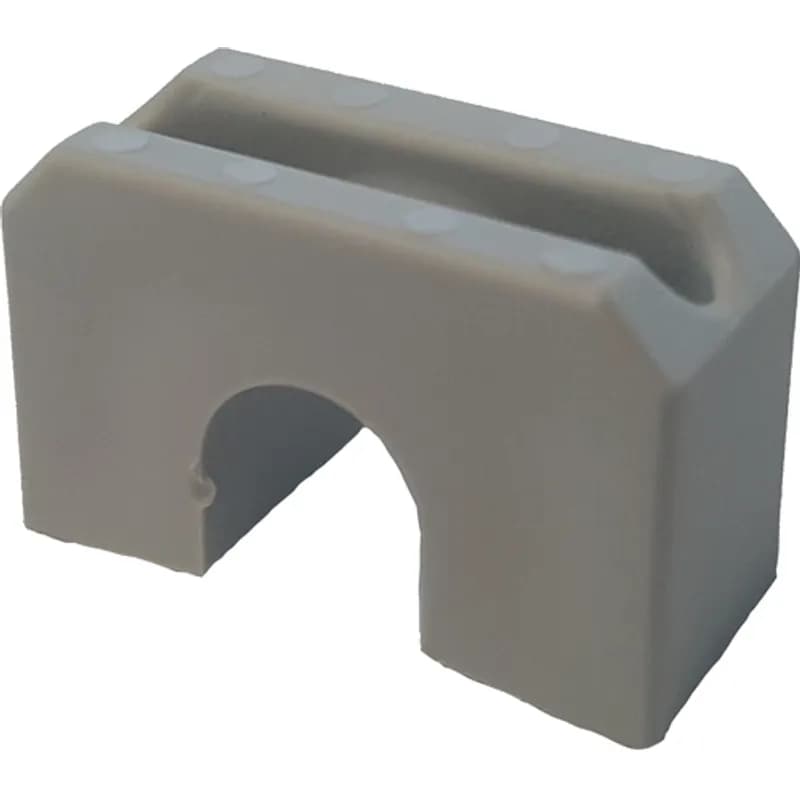

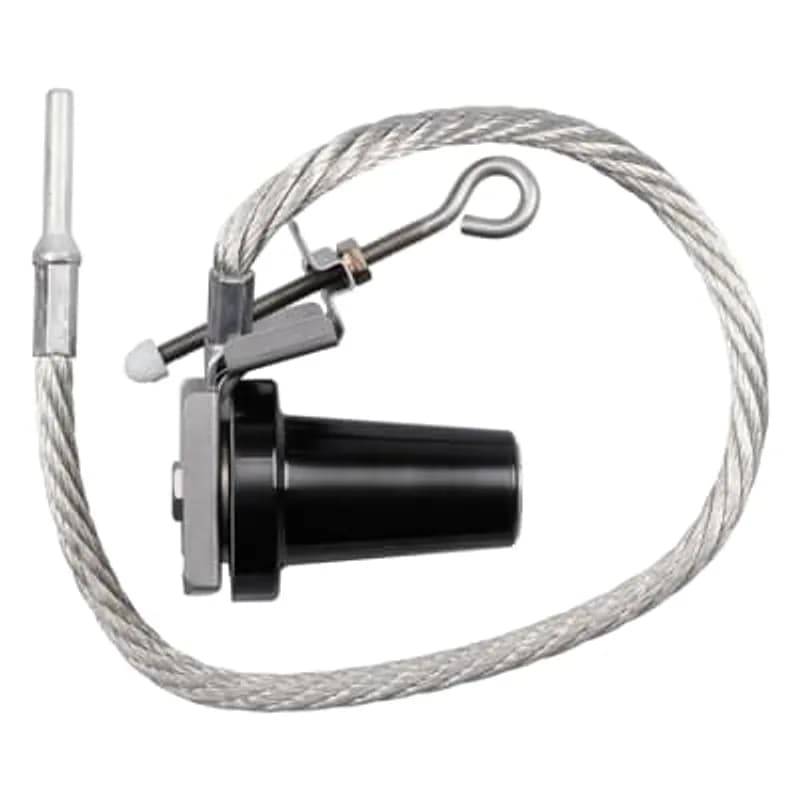
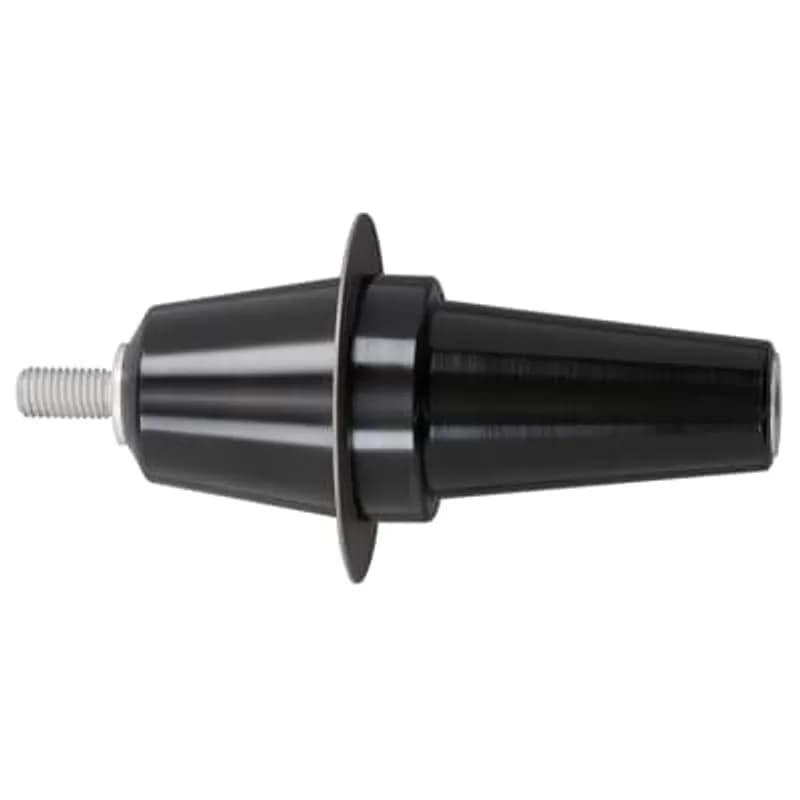
K650BIP
15/25kV 600 Series Deadbreak Insulated Plug (with Cap). Material Epoxy, Length 4.5 inch, Widest Diameter 3 inch.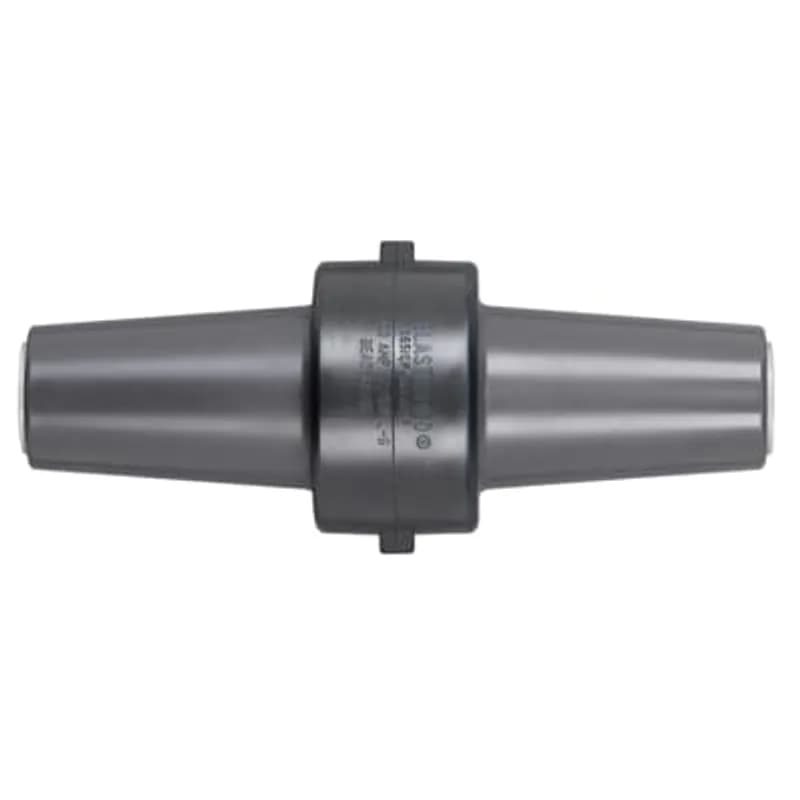
Frequently Asked Questions
What is the current rating of the K650-T1 bushing?
The ABB K650-T1 bushing has a current rating of 600 Amps.
What is the voltage class for this ABB bushing?
This ABB bushing, model K650-T1, is designed for a 15/25kV voltage class.
How long is the shank on the K650-T1 bushing?
The K650-T1 bushing features a long shank measuring 8-9/16 inches in length.
Does the K650-T1 bushing include a stud?
No, the K650-T1 is a long shank bushing without a stud.
Who manufactures the K650-T1 bushing?
The K650-T1 bushing is manufactured by ABB - Installation Products.
How to Weld ELASTIMOLD Apparatus Bushings and Bushing Wells
This guide provides suggested recommendations and procedures for welding ELASTIMOLD apparatus bushings and bushing wells, focusing on minimizing heat to maintain product integrity and ensure proper installation.
Estimated time: 1h
Tools needed:
Inert-gas, tungsten-arc welding (TIG) equipment, Short-arc welding (metal inert-gas, MIG) equipment, Thermocouple detectors, Copper heat sinks (water-cooled or non-water cooled)
Supplies needed:
No. 308 bare stainless steel wire, Thermally conductive paste, Cleaning agents (for surfaces)
- Prepare Components and Welding Area
DANGER: All apparatus must be de-energized during installation or removal of part(s). Inspect all parts for damage, proper rating, and compatibility with mating parts. Ensure all surfaces (tank, bushing, and bushing well) are kept clean and free from contamination such as paint or grease. Minimize air currents in the welding area to avoid disturbing the gas atmosphere.
- Set Up Heat Sinks
Install copper heat sinks to minimize heat flow to the epoxy. For water-cooled heat sinks, ensure proper setup, potentially utilizing multiple work stations. If using non-water cooled heat sinks, be prepared to remove them promptly after welding to prevent heat from flowing back into the bushing. Apply thermally conductive paste at the face of heat sinks in contact with the flange and cover. Ensure venting is provided for heat sinks. Do not thread heat sinks to the bushing or bushing well stud, as expansion due to heat may affect integrity.
- Perform Welding
DANGER: Do not touch or move energized products. Use either Inert-gas, tungsten-arc welding (TIG) or Short-arc welding (metal inert-gas, MIG) processes with No. 308 bare stainless steel wire. Keep heat to a minimum; the visible heat line should not exceed 1/8” from the weld or 3/16” from the O.D. of the flange. Monitor temperatures at points indicated by curved arrows using thermocouple detectors, ensuring they do not exceed 225°F.
- Handle and Cool After Welding
Minimize forces applied to the heated stud and flange during handling techniques before and after welding. If using non-water cooled heat sinks, remove them and air cool the bushing. Do not apply torque to the epoxy when making any bus bar connection.
- Verify Installation Requirements
Ensure the clearance between the epoxy shank and the mounting hole is 3/16” ± 1/16”. Verify the enclosure cover thickness does not exceed 1/4”. Confirm critical clearances from the apparatus connection to enclosure stiffeners and adjacent ground planes. Ensure the oil level covering the immersed stud connection is greater than 2 inches. If thermal baking is required for surface finishes, the bake sequence must not exceed 130°F or 8 hours, and bushing metallic contacts should not be mechanically loaded internally or externally during this cure process to prevent epoxy distortion.
Frequently Asked Questions about ABB - Installation Products
How are Thomas and Betts products typically installed?
Thomas and Betts products are installed using a variety of methods tailored to specific applications, including the use of flexible cords and cable fittings, non-metallic cable glands, and armored cable fittings. Proper selection of fittings is crucial to match the cable type and installation environment, ensuring durability and preventing physical damage. Tools such as the Blackburn® Comfort Crimp® and HEX-FLEX® systems enhance installation efficiency and reliability, reducing labor time and ensuring secure connections.
What accessories are available for Thomas and Betts products?
Thomas and Betts offers a comprehensive range of accessories for their products, including various cord and cable fittings, non-metallic cable glands, service entrance cable fittings, and armored cable fittings. Their accessories are designed to enhance installation efficiency and ensure compatibility with different cable types and environmental conditions, providing reliable connections for a wide array of applications.
What environmental ratings do Thomas and Betts products have?
Thomas and Betts products feature robust environmental ratings, including NEMA Type 1, 2, 3, 4, 4X, 12, and 13 certifications, as well as IEC 60529 IP66 protection. These ratings ensure that their products are designed to withstand harsh industrial environments, with capabilities to resist dust, water, and corrosion, and operate effectively in a wide temperature range.
What communication protocols do Thomas and Betts products support?
Thomas and Betts products support a wide range of industrial communication protocols, including Ethernet, DeviceNet, PROFIBUS, Modbus, CANopen, and others. This extensive compatibility ensures seamless integration and reliable communication across various industrial automation systems, catering to diverse application needs.
What are the key features of Thomas and Betts products?
Thomas and Betts products are known for their innovative designs, high performance, and compliance with industry standards such as the National Electrical Code and Underwriters' Laboratories. They offer a comprehensive range of rugged and reliable electrical fittings, including liquidtight and dust-tight connections, which enhance installation efficiency and reduce overall project costs. Their products are engineered for durability in harsh environments, ensuring long-term reliability and lower installed costs.
What are the main product lines offered by Thomas and Betts?
Thomas and Betts offers a comprehensive range of product lines including electrical connectors, cable management systems, grounding and bonding solutions, and industrial automation components. Their products are designed for durability and reliability in demanding industrial environments, ensuring optimal performance and safety across various applications.
What technical support does Thomas and Betts offer?
Thomas and Betts offers comprehensive technical support, including access to field application engineers for onsite training and installation assistance. Their technical support staff is available to address inquiries related to product specifications and installation practices, ensuring optimal performance and safety of electrical systems. Additionally, they provide a variety of training programs to enhance the knowledge and skills of users in the field.
What industries and applications are Thomas and Betts products used for?
Thomas and Betts products are utilized across various industries including electrical construction, industrial automation, telecommunications, and utilities. Their extensive range of cord and cable fittings, electrical boxes, and metal framing systems are designed for applications that require durability and reliability in harsh environments, ensuring optimal performance in both permanent and temporary installations.
What certifications and standards do Thomas and Betts products comply with?
Thomas and Betts products comply with critical international certifications including UL (Underwriters Laboratories), CSA (Canadian Standards Association), and CE (European Community). Our products are designed to meet rigorous industrial standards such as NEMA enclosure ratings and IEC 60529 IP ratings, ensuring safety and reliability across various industrial applications.
What are the main product lines offered by Ocal?
Ocal offers a comprehensive range of corrosion-resistant conduit systems, including PVC-coated conduit and fittings, conduit bodies, hazardous location fittings, and strut accessories. Their products are designed to provide superior corrosion protection, featuring a hot-dipped galvanizing process and UL listed Type 4X PVC-coated conduit bodies, ensuring durability in the most demanding environments.