Contact for Pricing
Overview
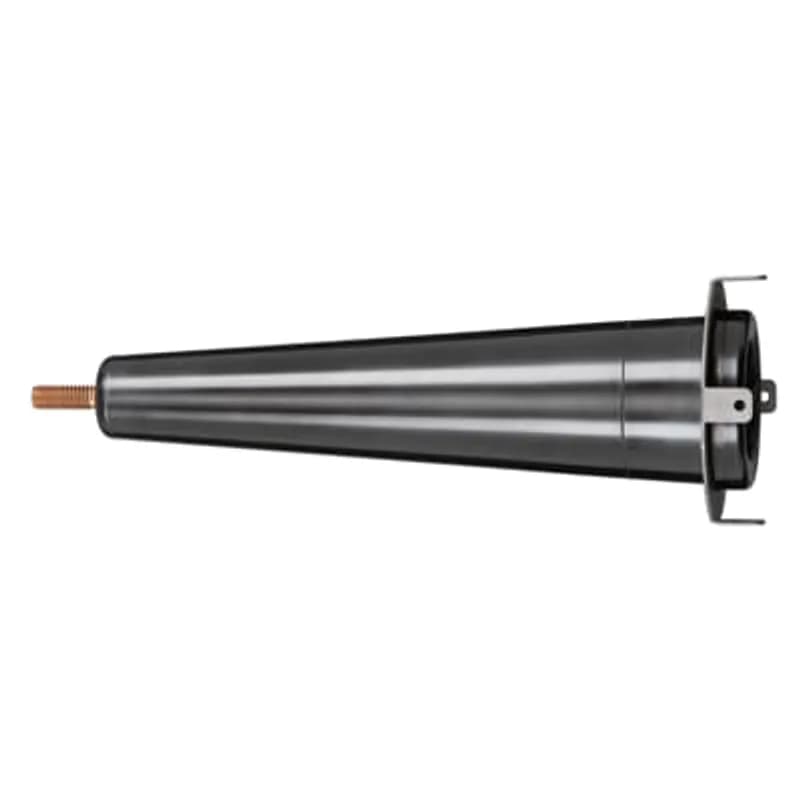
- 35kV rated for high-voltage applications
- 9-1/4 inch bushing shank length
- Top-mount design for standard installations
- Non-replaceable well stud for permanent integrity
- Integrated bail tabs for secure handling
Specifications
Application | 35 |
Size | 9-1/4 in |
Temperature Rating, Maximum | 149 F |
Temperature Rating, Maximum | 65 C |
Temperature Rating, Minimum | -40 F |
Temperature Rating, Minimum | -40 C |
Type | Long Shank Well |
Package Dimensions (L x W x H) | 0.01 IN x 0.01 IN x 0.01 IN |
Package Dimensions (L x W x H) | 0.0254 cm x 0.0254 cm x 0.0254 cm |
Package Weight (Imperial) | 2.5000 L |
Package Weight (Metric) | 1.1340 kg |
K675TBC
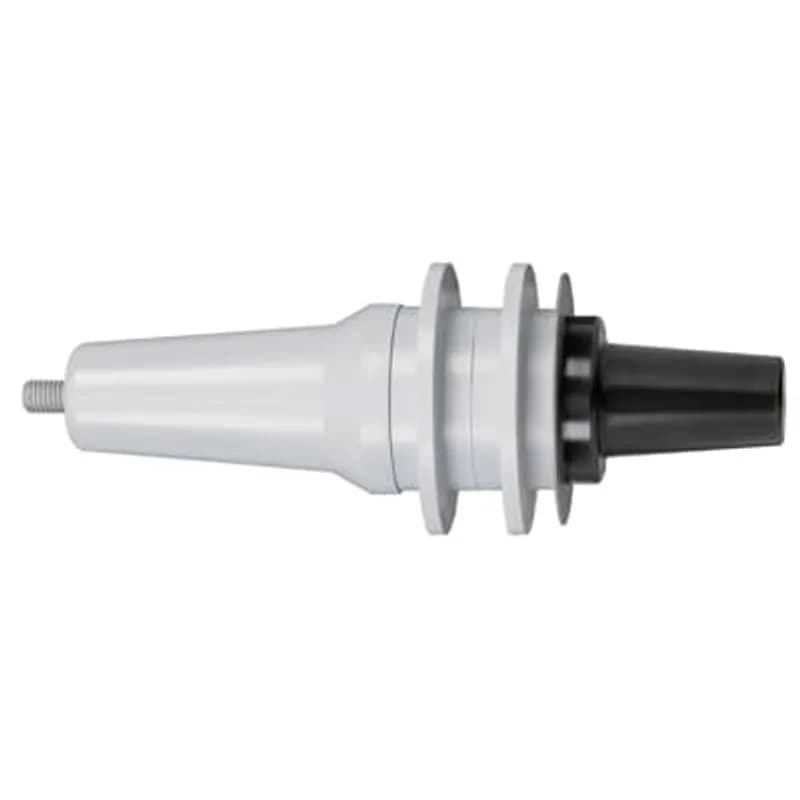
15/25kV, 900 Amp, Deadbreak Bushing for In-Air Applications (Pad-Mounted or Vault-Type or Submersible Transformers or Switchgear). One Factory installed 5/8-11 UNC-2A Stud included, other Stud must be Purchased Separately. Overall Length 13.75 inch, Diameter 4.50 inch. Molded Epoxy with Stainless Steel Flange. Boot and Collar.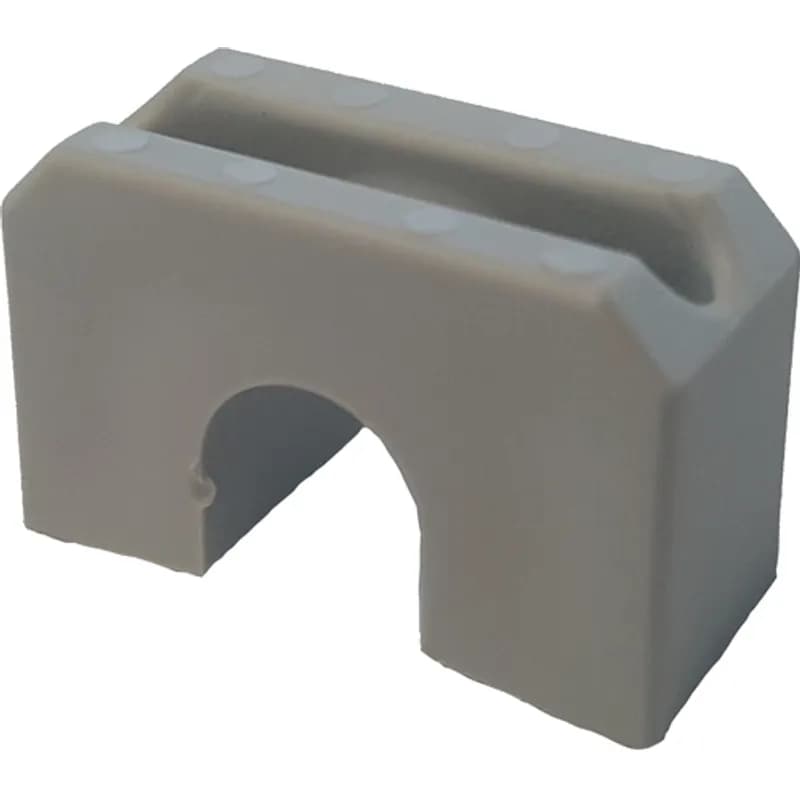

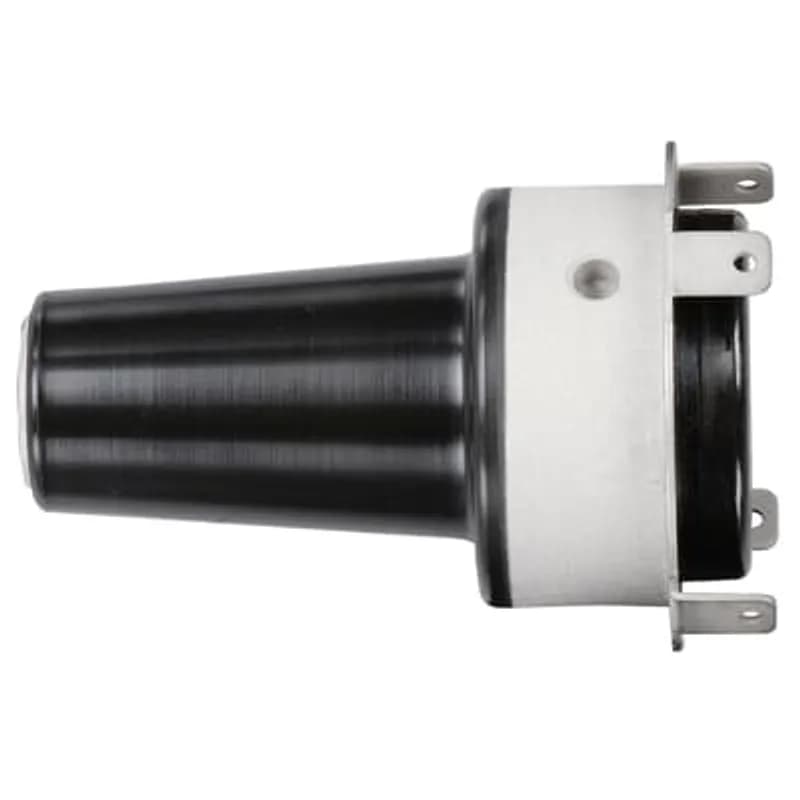
L1601-PC-S1
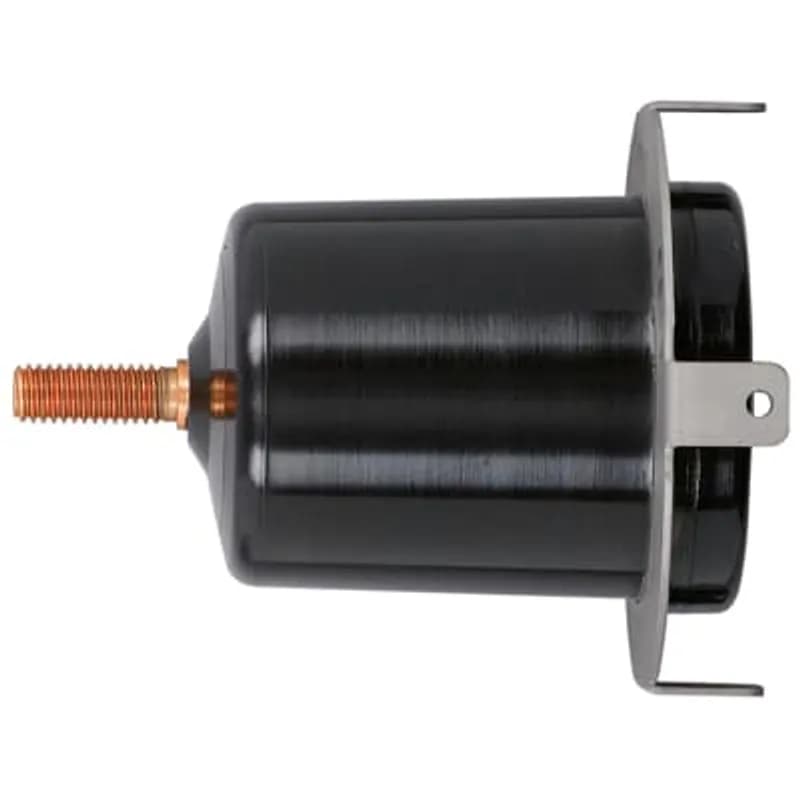
35kv, Short Shank Well with Bail Tabs and Non-Replaceable Well Stud (2-3/4 inch Bushing Shank Length), side mount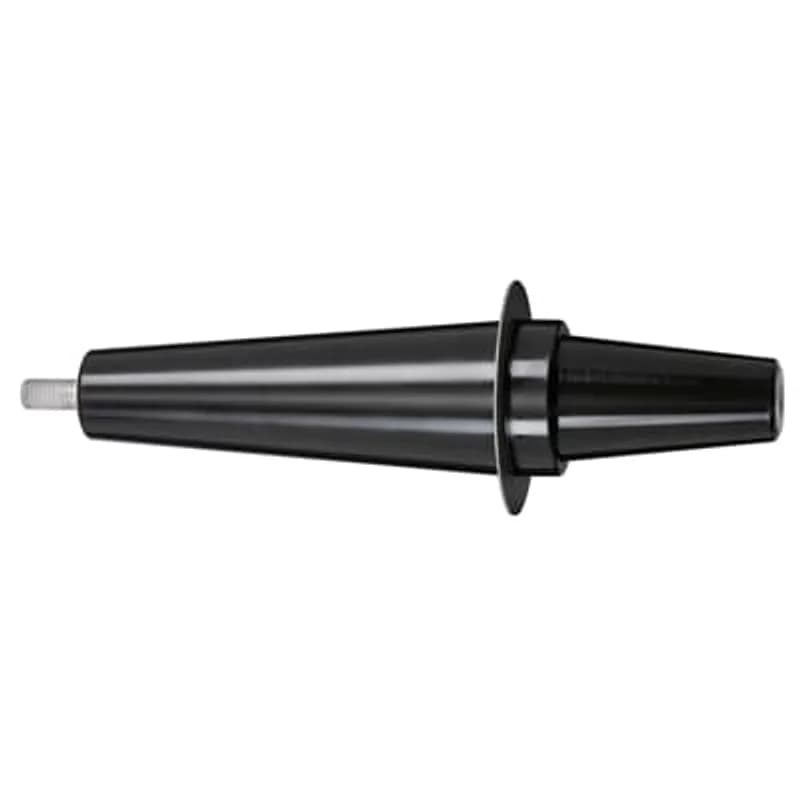
K650RTW
15/25kV 600 Series Deadbreak Reducing Tap Well. Length 5.37 inch. Width 3 inch not counting bracket. 600/200 Amps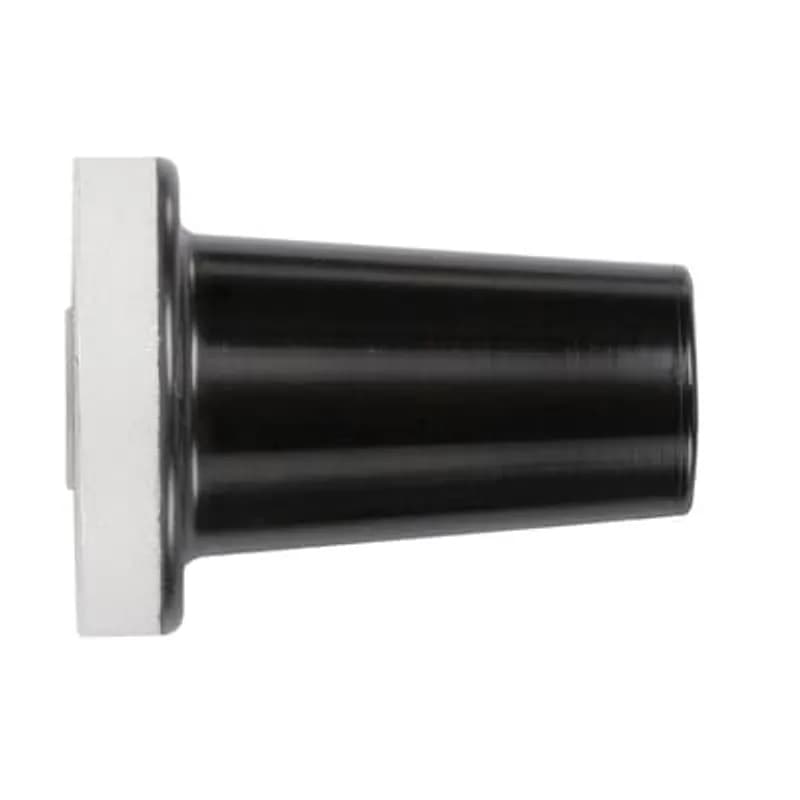
K650LB
25kV 600 Series Deadbreak Insulating Plug / Stand-Off Plug, includes Silicone Lubricant and Instructions. Length 3.9.39 inch, Widest Diameter 3 inch. Epoxy.Frequently Asked Questions
What is the L1601PC-T1 bushing well designed for?
It is designed for in-air applications and accepts Elastimold non-loadbreak, loadbreak, and double bushing inserts. It is for direct mounting in electrical apparatus on 200-Amp systems.
What shank lengths are available for the bushing well?
Shank lengths vary from 2.75 inches to 9.25 inches for either cover or side-mount installations.
What is the purpose of the conductive rubber shield?
The conductive rubber shield provides a fully-shielded, cable-to-apparatus connection and makes positive ground contact with the EPDM flange of the bushing insert.
Is a removable stud well design available?
Yes, the bushing well is also available in a removable stud well design, indicated by "-R" in the style number.
What items are included in the L1601PC-T1 kit?
Each kit contains an Epoxy Long Shank Well, Silicone Lubricant, and an Instruction Sheet.
Does the L1601PC-T1 meet industry standards?
Yes, it meets ANSI/IEEE Standard 386, Latest Revision, and its interface meets ANSI/IEEE 386 dimensional criteria.
What materials are used in the L1601PC-T1 bushing well?
It is molded of epoxy with a stainless steel flange and features a conductive rubber shield made of molded conductive EPDM.
What is the impulse withstand rating (BIL) for this product?
The impulse withstand (BIL) rating for the L1601PC-T1 is 150kV.
What is the maximum operating voltage for this bushing well?
The maximum phase-to-ground operating voltage is 21.1kV, and the maximum phase-to-phase voltage is 36.6kV.
What voltage class is the L1601PC-T1 rated for?
The L1601PC-T1 bushing well is rated for a 35kV voltage class.
How to Weld ELASTIMOLD Apparatus Bushings and Bushing Wells
This guide provides suggested recommendations for welding ELASTIMOLD apparatus bushings and bushing wells, focusing on minimizing heat and ensuring proper installation. It covers welding processes, materials, heat sink usage, and critical installation requirements.
Estimated time: 1h 30m
Tools needed:
Inert-gas, tungsten-arc welding (TIG) equipment, Short-arc welding (metal inert-gas, MIG) equipment, Copper heat sinks (water-cooled or non-water-cooled), Thermocouple detectors, Cleaning supplies (e.g., wire brush)
Supplies needed:
No. 308 bare stainless steel wire, Thermally conductive paste, HV insulated cap(s) or connector(s)
- Prepare Apparatus and Ensure Safety
De-energize all apparatus before starting any installation or removal of parts. Inspect all parts for damage, correct rating, and compatibility with mating parts. Remove any protective shipping covers and replace with appropriate HV insulated caps or connectors before submerging or energizing the circuit. Check package contents to ensure they are complete and undamaged. Verify all components for proper fit with cable and/or mating products. Have all required tools at hand and maintain cleanliness throughout the procedure. This product should be installed only by competent personnel trained in good safety practices involving high voltage electrical equipment. Failure to follow these instructions will result in damage to the product and serious or fatal injury.
- Set Up Welding Environment and Heat Sinks
Clean all surfaces (tank, bushing, and bushing well) thoroughly to remove contamination such as paint, grease, etc., as this will extend welding time and raise temperature. Provide venting for heat sinks. Place copper heat sinks to minimize heat flow to the epoxy. Use thermally conductive paste at the face of heat sinks in contact with the flange and cover. Ensure the bottom heat sink is of a larger diameter than the top to allow heat to be absorbed by the bottom sink rather than flow into the tank. Do not thread heat sinks to the bushing or bushing well stud, as expansion due to heat may affect the integrity of these parts. Minimize air currents in the welding area which will disturb the gas atmosphere. Temperatures at critical points near the epoxy must not exceed 225°F (107°C); determine this using thermocouple detectors during heat sink development.
- Perform Welding
Use either inert-gas, tungsten-arc welding (TIG) or short-arc welding (metal inert-gas, MIG) processes, as both are fast and create minimum heat. Use No. 308 bare stainless steel wire with either process. Keep heat to a minimum during welding; the visible heat line should not be greater than 1/8” from the weld and 3/16” from the O.D. of the flange. Minimize forces applied to the heated stud and flange during and after welding. Do not apply torque to the epoxy when making any bus bar connection.
- Complete Installation and Final Checks
If using non-water cooled heat sinks, remove them promptly after welding and air cool the bushing. Do not leave them on too long since heat will flow back into the bushing. Verify that the clearance between the epoxy shank and the mounting hole is 3/16” ± 1/16”. Ensure the enclosure cover thickness does not exceed 1/4”; consult the factory for enclosures that exceed 1/4” thick. Observe critical clearances from the apparatus connection to enclosure stiffeners and adjacent ground planes. Confirm the oil level covering the immersed stud connection is greater than 2 inches. If thermal baking is required for equipment surface finishes, ensure the bake sequence does not exceed 130°F (54°C) or 8 hours to prevent damage to critical sealing aspects of the bushings. During this cure process, the bushing metallic contacts should not be mechanically loaded internally or externally to prevent epoxy distortion.
Frequently Asked Questions about ABB - Installation Products
How are Thomas and Betts products typically installed?
Thomas and Betts products are installed using a variety of methods tailored to specific applications, including the use of flexible cords and cable fittings, non-metallic cable glands, and armored cable fittings. Proper selection of fittings is crucial to match the cable type and installation environment, ensuring durability and preventing physical damage. Tools such as the Blackburn® Comfort Crimp® and HEX-FLEX® systems enhance installation efficiency and reliability, reducing labor time and ensuring secure connections.
What accessories are available for Thomas and Betts products?
Thomas and Betts offers a comprehensive range of accessories for their products, including various cord and cable fittings, non-metallic cable glands, service entrance cable fittings, and armored cable fittings. Their accessories are designed to enhance installation efficiency and ensure compatibility with different cable types and environmental conditions, providing reliable connections for a wide array of applications.
What environmental ratings do Thomas and Betts products have?
Thomas and Betts products feature robust environmental ratings, including NEMA Type 1, 2, 3, 4, 4X, 12, and 13 certifications, as well as IEC 60529 IP66 protection. These ratings ensure that their products are designed to withstand harsh industrial environments, with capabilities to resist dust, water, and corrosion, and operate effectively in a wide temperature range.
What communication protocols do Thomas and Betts products support?
Thomas and Betts products support a wide range of industrial communication protocols, including Ethernet, DeviceNet, PROFIBUS, Modbus, CANopen, and others. This extensive compatibility ensures seamless integration and reliable communication across various industrial automation systems, catering to diverse application needs.
What are the key features of Thomas and Betts products?
Thomas and Betts products are known for their innovative designs, high performance, and compliance with industry standards such as the National Electrical Code and Underwriters' Laboratories. They offer a comprehensive range of rugged and reliable electrical fittings, including liquidtight and dust-tight connections, which enhance installation efficiency and reduce overall project costs. Their products are engineered for durability in harsh environments, ensuring long-term reliability and lower installed costs.
What are the main product lines offered by Thomas and Betts?
Thomas and Betts offers a comprehensive range of product lines including electrical connectors, cable management systems, grounding and bonding solutions, and industrial automation components. Their products are designed for durability and reliability in demanding industrial environments, ensuring optimal performance and safety across various applications.
What technical support does Thomas and Betts offer?
Thomas and Betts offers comprehensive technical support, including access to field application engineers for onsite training and installation assistance. Their technical support staff is available to address inquiries related to product specifications and installation practices, ensuring optimal performance and safety of electrical systems. Additionally, they provide a variety of training programs to enhance the knowledge and skills of users in the field.
What industries and applications are Thomas and Betts products used for?
Thomas and Betts products are utilized across various industries including electrical construction, industrial automation, telecommunications, and utilities. Their extensive range of cord and cable fittings, electrical boxes, and metal framing systems are designed for applications that require durability and reliability in harsh environments, ensuring optimal performance in both permanent and temporary installations.
What certifications and standards do Thomas and Betts products comply with?
Thomas and Betts products comply with critical international certifications including UL (Underwriters Laboratories), CSA (Canadian Standards Association), and CE (European Community). Our products are designed to meet rigorous industrial standards such as NEMA enclosure ratings and IEC 60529 IP ratings, ensuring safety and reliability across various industrial applications.
What are the main product lines offered by Ocal?
Ocal offers a comprehensive range of corrosion-resistant conduit systems, including PVC-coated conduit and fittings, conduit bodies, hazardous location fittings, and strut accessories. Their products are designed to provide superior corrosion protection, featuring a hot-dipped galvanizing process and UL listed Type 4X PVC-coated conduit bodies, ensuring durability in the most demanding environments.