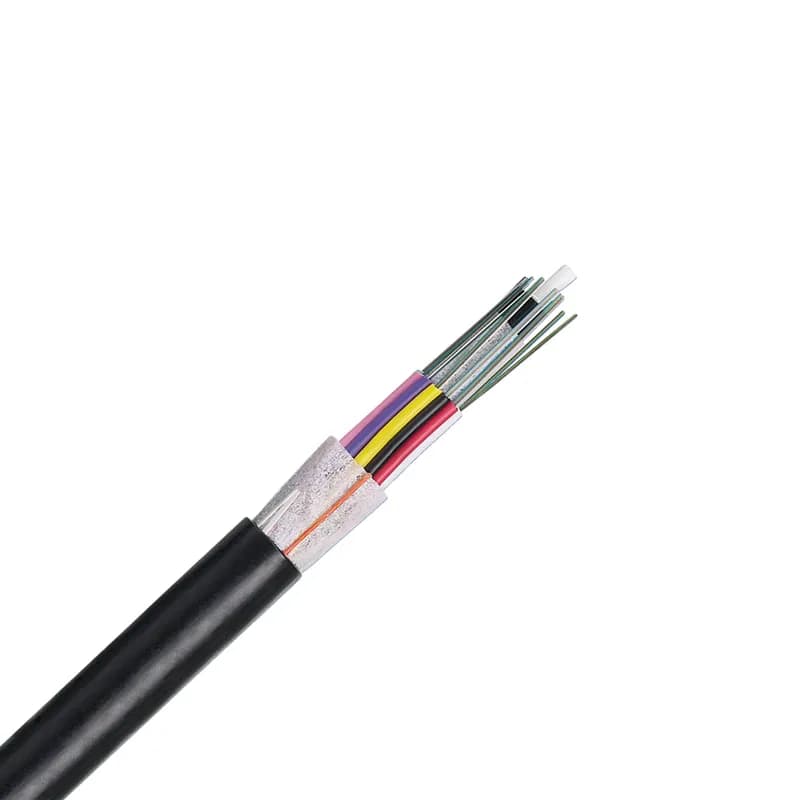
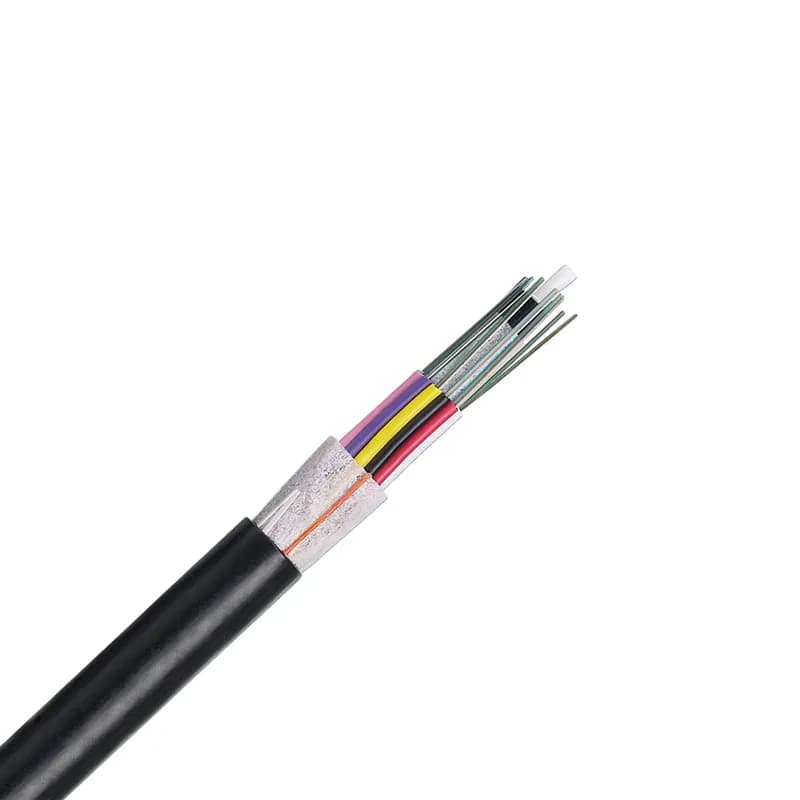
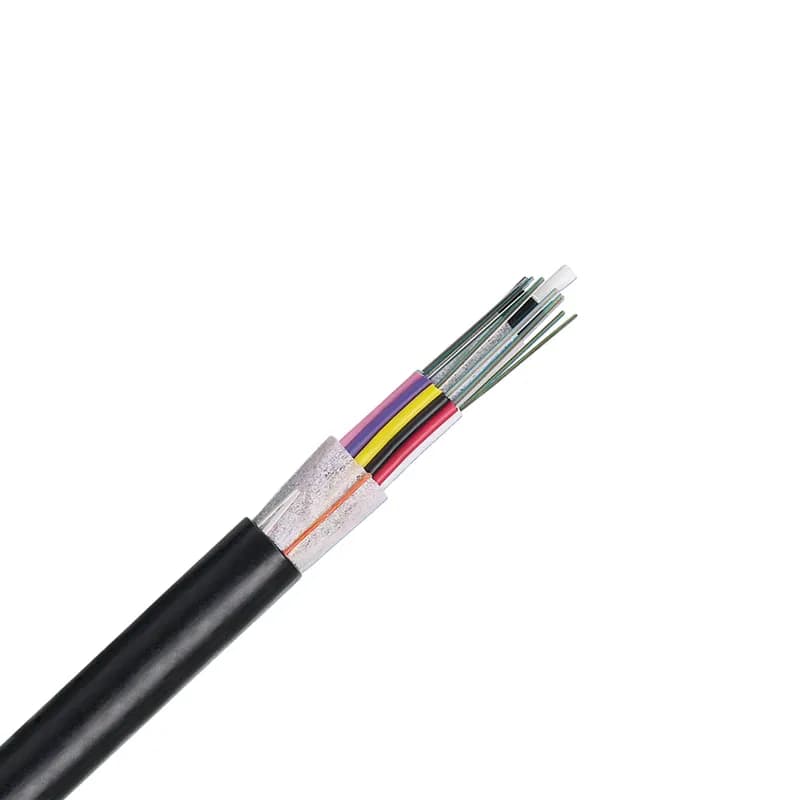
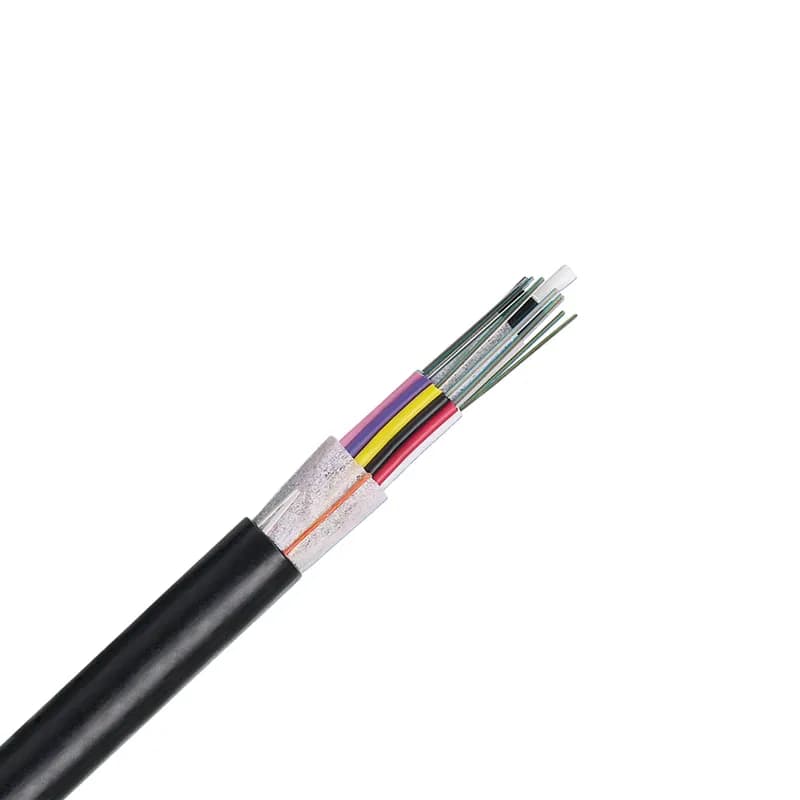
Panduit FSTN906 The 6 fiber outside plant non-armored cable is OS2, non-rated and features 250 m fibers.
UPC: 074983812806
Documents & Media
Contact for Pricing
Minimum Qty: 4500
Multiplier: 1
*Contact for lower quantities*
Call +1 (262) 252-1600 (toll-free 877-268-3700) or email [email protected] for pricing and availability.
Overview
- 6-fiber count for efficient data transmission
- OS2 fiber grade for high bandwidth and low loss
- Non-armored construction for flexibility and ease of installation
- Suitable for outside plant (OSP) aerial or duct deployments
- Manufactured in the US by Panduit
Specifications
Bend Radius | NA in |
Color | Black |
Connection Type | Fiber optic |
Fiber Size | OS2 9/125µm |
Fiber Size | OS2 9/125 m |
Fiber Type | OS2 |
Flammability Rating | Non-rated |
Flammability Rating* | Not Rated |
Jacket Material | PE (polyethylene) |
Material | Fiber Optic |
Material | Fiber Optic (OS2, non-armored) |
Number of Fibers | 6 |
Series | FSTN |
Size | 6-Fiber |
Size | 6-fiber, 250µm |
Tensile Strength | 600 lb |
Type | Bulk Fiber Optic Outdoor Cable |
Package Weight (Imperial) | 0.056 lbs |
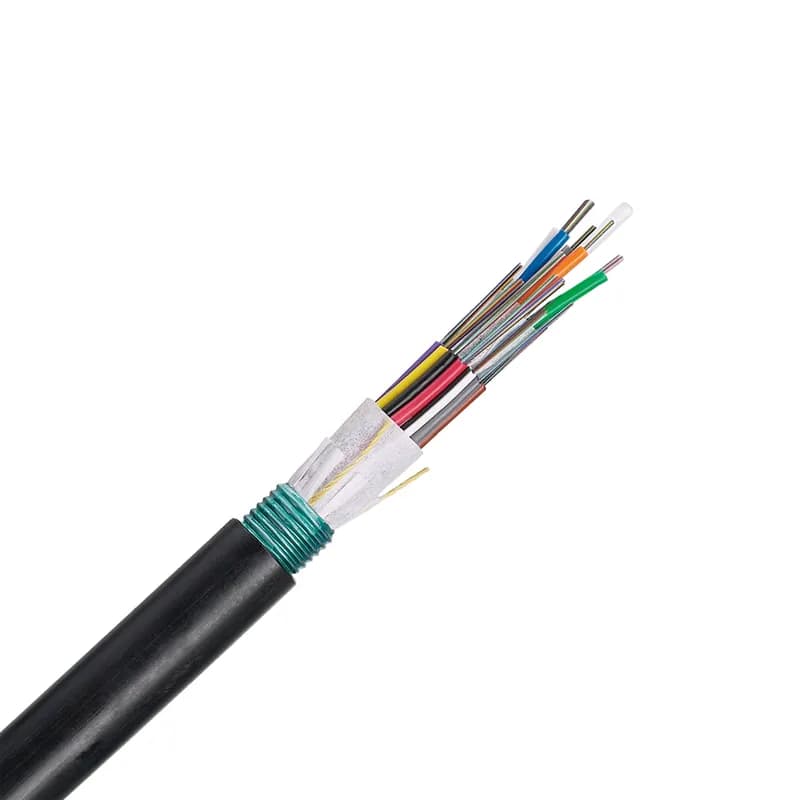


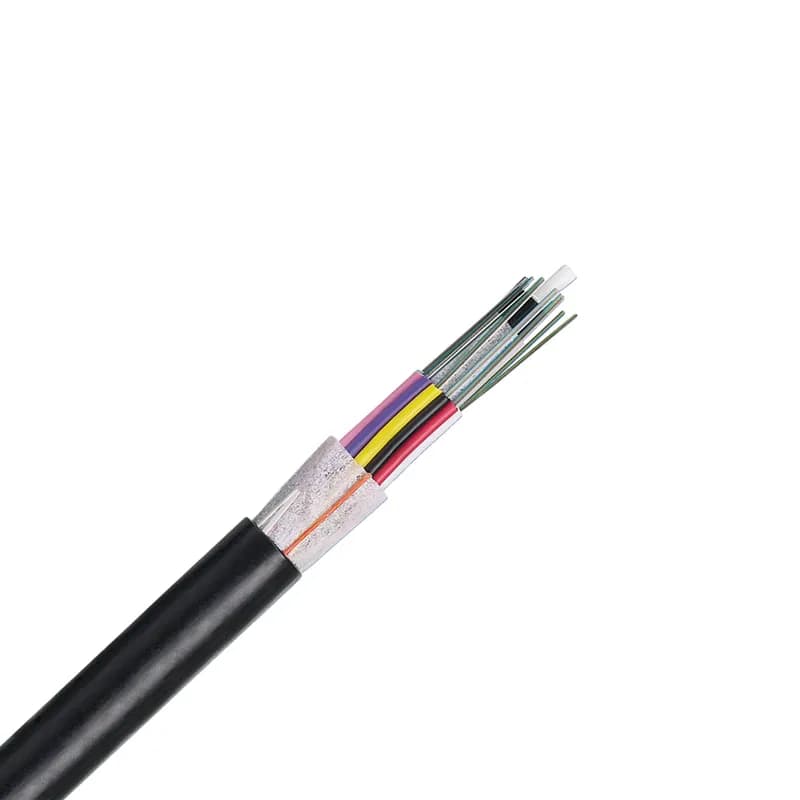
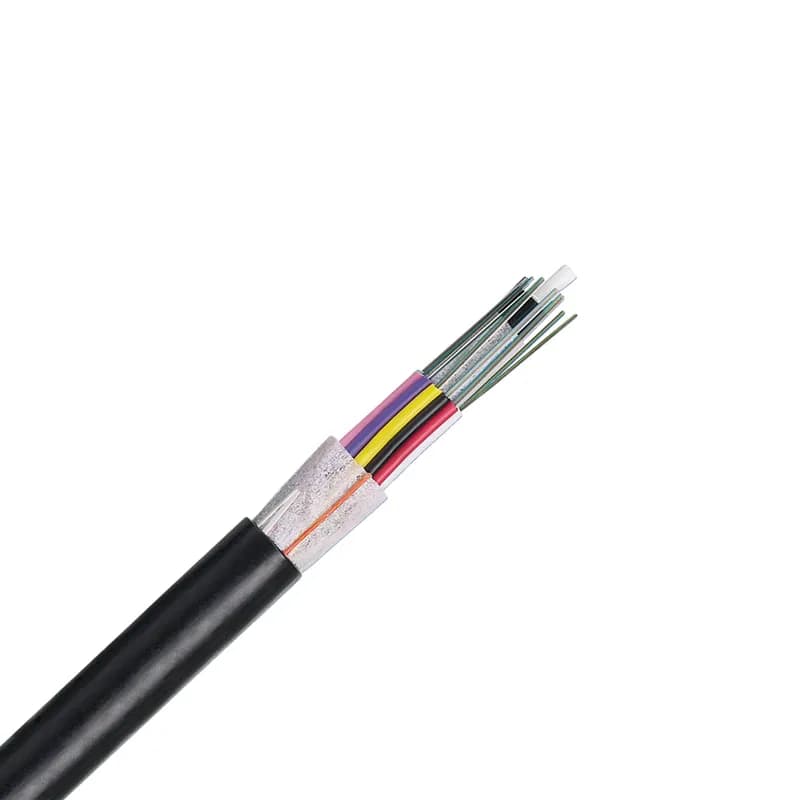
Frequently Asked Questions
What is the maximum fiber count for the cable?
The cable can contain up to 144 fibers.
What is the cable's tensile strength during installation?
The tensile strength during installation is 600 lbf (2700 N).
Is the cable UV resistant?
Yes, the cable has a UV resistant outer jacket.
What types of fibers are available?
The cable offers options for singlemode (OS2) and multimode fibers (OM1, OM3, OM4).
What are the temperature ranges for operation?
The operating temperature range is -40°F to +158°F (-40°C to +70°C).
What is the installation temperature range?
The installation temperature range is -22°F to +140°F (-30°C to +60°C).
What is the maximum attenuation for OM3 multimode fiber?
The maximum attenuation for OM3 multimode fiber is 3.5dB/km at 850nm.
Can the cable be used for direct burial?
Yes, the armored version is suitable for direct burial.
What standards does the cable comply with?
The cable complies with Telcordia GR-20-CORE, IEC 60794-3-11, and other industry standards.
What is the purpose of the dry water-blocking elements?
The dry water-blocking elements prevent water from entering the cable and damaging the fibers.
How to Install Buried Fiber Optic Cable
This guide provides step-by-step instructions for the installation of fiber optic cables in direct buried applications, ensuring proper techniques are followed for optimal performance.
Estimated time: 1h
Tools needed:
Tractor, Cable plow, Shovel, Figure-eight machine
Supplies needed:
Fiber optic cable, Warning tape, Backfill material
- Conduct a pre-survey
Perform a thorough pre-survey of the installation route to identify conflicts and obstructions. Mark locations for splice pits and ensure the route is clear for cable placement.
- Prepare the installation area
Stake the right-of-way (ROW) and mark all underground utilities. Ensure that the area is clear of any obstructions that could interfere with the plowing or trenching process.
- Plow or trench the cable
Using a tractor and cable plow, begin plowing the fiber optic cable at the required depth. If trenching, dig a trench that is at least 4 inches wide and deep enough to accommodate the cable.
- Install the cable
Feed the fiber optic cable into the plow or trench, ensuring it is laid out in a figure-eight configuration if necessary. Maintain communication with the operator to ensure smooth placement.
- Backfill the trench
Once the cable is laid, backfill the trench with clean material, ensuring no rocks or debris are left that could damage the cable. Compact the backfill to prevent future settling.
- Install warning tape
Place warning tape 12 inches above the cable in the backfill to alert future excavators of the buried cable.
- Verify installation
After installation, check each section with an OTDR to ensure there are no increases in attenuation due to pressure or breaks in the cable.
- Seal cable ends
If any cable ends are left for future splicing, reinstall protective caps and seal them with tape before burial.
Frequently Asked Questions about Panduit
What environmental ratings do Panduit products have?
Panduit products feature comprehensive environmental ratings across multiple standards, including UL 508A Type 1, 2, 3, 4, 4X, 12, and 13; CSA Type 1, 2, 3, 4, 4X, 12, and 13; and NEMA Type 1, 2, 3, 4, 4X, 12, and 13. They meet IEC 60529 IP66 rating, providing robust protection against dust, water, and corrosion in both indoor and outdoor environments, with operating temperatures ranging from -40°C to 130°C.
What certifications and standards do Panduit products comply with?
Panduit products are certified to multiple critical industry standards, including UL (Underwriters Laboratories) in the USA and Canada, CSA (Canadian Standard Association), EN IEC 61386, LVD 2006/G5/EC, and ARRA standards. Our products meet rigorous certifications for electrical safety, environmental compliance (WEEE and RoHS), and are designed to perform in extreme temperatures ranging from -55°C to 105°C, making them suitable for demanding industrial environments.
What industries and applications are Panduit products used for?
Panduit products are engineered for critical applications across multiple industries, including commercial construction, food and beverage, oil and gas, renewable energy, transportation, and safety-critical environments. Their solutions span electrical infrastructure, wire management, cable ties, power connectors, and safety systems designed to withstand extreme conditions like high vibration, temperature variations, UV exposure, and corrosive agents. Key industries include solar and wind energy, aerospace, heavy trucking, military, commercial transportation, and industrial manufacturing.
What are the main product lines offered by Panduit?
Panduit offers a comprehensive range of electrical infrastructure products including power connectors, cable ties, grounding connectors, identification products, safety solutions, terminals, cable cleats, wiring duct, and cable tie accessories. These products are engineered for industrial environments across multiple sectors like commercial construction, food and beverage, oil and gas, renewable energy, transportation, and safety applications.
What are the key features of Panduit products?
Panduit products are engineered for robust performance in heavy-duty industrial environments, featuring a comprehensive range of solutions including cable ties, power connectors, terminals, and identification products. Key features include proven quality performance, subject matter expertise, and customer-driven innovation across multiple industrial sectors such as commercial construction, food and beverage, oil and gas, renewable energy, transportation, and safety applications. The product line is designed to maximize productivity, reliability, and safety while meeting stringent industry standards.
What is Panduit's warranty policy?
Panduit provides a comprehensive Limited Product Warranty that can be fully reviewed on their official website at www.panduit.com/warranty. All Panduit products are subject to the terms, conditions, and limitations of this current warranty. Customers are advised to review the specific warranty details for their particular product, as Panduit requires buyers to determine product suitability for their intended use and assumes all associated risks.
What technical support does Panduit offer?
Panduit offers comprehensive technical support through their dedicated customer service team, accessible via phone at 1-800-777-3300. They provide expert assistance for their full range of industrial infrastructure products, including cable ties, power connectors, terminals, and identification solutions. Customers can also access additional technical resources and product information through their website at www.panduit.com.
What accessories are available for Panduit products?
Panduit offers a wide range of accessories across multiple product lines, including cable ties, cable tie accessories, cable tie tools, identification products, cable cleats, grounding connectors, and VeriSafe accessories like the VeriSafe Network Module and Insulation Piercing Connectors. For a comprehensive view of all available accessories, customers are recommended to visit www.panduit.com for the full product catalog.
How are Panduit products typically installed?
Panduit products are engineered for comprehensive installation across industrial environments, utilizing specialized tools and techniques for precise mounting. Installation methods vary by product line - from cable ties and power connectors to terminals and identification solutions - but all are designed for robust performance in heavy-duty settings. Technicians typically use Panduit's dedicated installation tools and follow manufacturer guidelines available at www.panduit.com to ensure proper fitting and maximum infrastructure reliability.