
Contact for Pricing
Overview
- 6-ton output for reliable terminations
- Crimps #8-500 kcmil copper lugs/splices
- Crimps #6-350 kcmil aluminum lugs/splices
- UL Listed/Recognized and CSA Certified
- UL Listed for Panduit Pan-Term vinyl insulated terminals (#8-2 AWG)
Specifications
Crimping Capacity | NA ton |
Crimping Force, Maximum | NA ton |
Crimping Force, Minimum | NA ton |
Material | Steel |
Opening Size | NA |
Overall Length | 26 in |
Overall Length | 660.4 mm |
Series | CT-720 |
Size | 26" (length), 58" (open handle span), 2.5" (closed handle span) |
Type | Manual Crimp Tool |
Wire Size | 8 AWG - 500 kcmil AWG |
Package Dimensions (L x W x H) | 28.4 IN x 7.9 IN x 2.9 IN |
Package Weight (Imperial) | 8.95 lbs |

CT-720-7
Basic tool kit with seven dies.Includes: Seven dies (CD-720-1 through CD-720-7) for installing #8 AWG 500 kcmil copper compression connectors Carrying/storage case (C-720)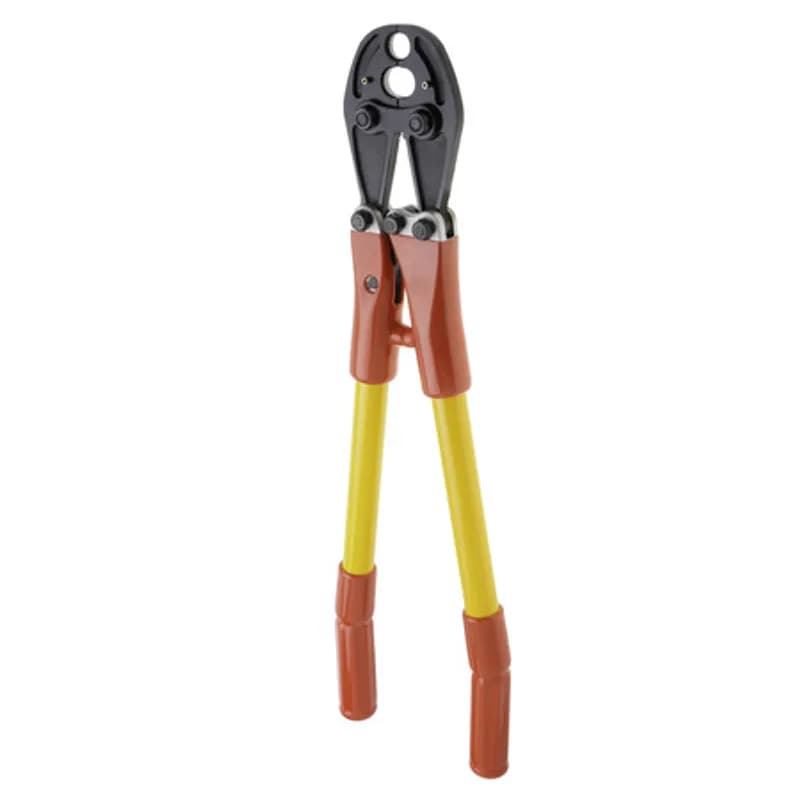
OD59
Mechanical Crimp Tool w/ O and D Nose Dies APPLICATIONS: Designed for use with wide range and H-Tap connectors. It has fiberglass handles and comes with "O" and "D" Nose Dies. It has an output of 4.5 tons.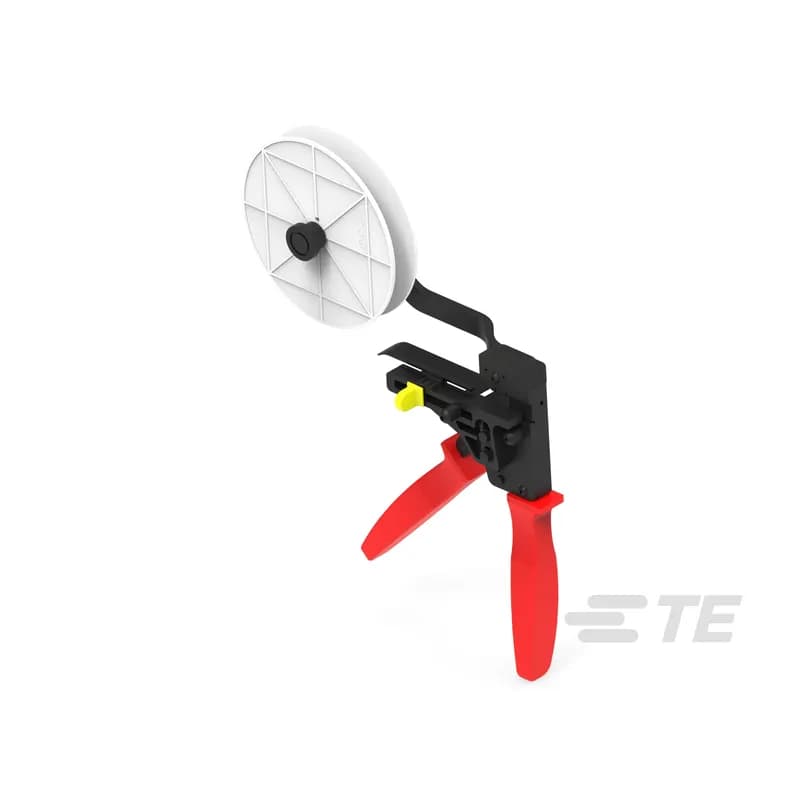
952050-E
Commercial Crimp Tooling, Removable/Interchangeable, Manual, Crimp Tool, ERNI MaxiBridge, Hand Crimping ToolsHow to Install the CD-720-5 Compression Tool
This guide provides step-by-step instructions for installing and configuring the CD-720-5 compression tool for effective use in electrical applications.
Estimated time: 45m
Tools needed:
Screwdriver, Wire strippers, Multimeter
Supplies needed:
Mounting screws, Terminal connectors
- Install the die
Open the handles of the CD-720-5 tool fully. Insert the selected die into the recess in the tool head with the compression pocket facing the jaw. Align the hole in the die with the die retention screw and firmly tighten the screw.
- Adjust the tool
Lay the tool on a flat surface and close the handles until the jaw just contacts the die. Measure the distance between the tips of the grips; it should be between 10 inches (254 mm) and 13 inches (330 mm). Adjust the screw accordingly if the distance is out of range.
- Perform a visual inspection
Inspect the tool for any missing or loose pins and check the dies for any worn, chipped, or cracked surfaces. Ensure all components are in good condition before proceeding.
- Connect the wire
Insert the bared conductor into the terminal connector. Ensure that the connector is positioned in the compression pocket so that the die is between the compression bands on the connector.
- Compress the connector
Completely close the handles of the tool to compress the connector. If multiple compressions are required, repeat the operation as necessary.
- Lubricate the tool
Monthly, wipe the tool and dies clean with a lint-free cloth and lubricate the pivot pins with SAE 20 or equivalent machine oil to ensure smooth operation.
Frequently Asked Questions about Panduit
What environmental ratings do Panduit products have?
Panduit products feature comprehensive environmental ratings across multiple standards, including UL 508A Type 1, 2, 3, 4, 4X, 12, and 13; CSA Type 1, 2, 3, 4, 4X, 12, and 13; and NEMA Type 1, 2, 3, 4, 4X, 12, and 13. They meet IEC 60529 IP66 rating, providing robust protection against dust, water, and corrosion in both indoor and outdoor environments, with operating temperatures ranging from -40°C to 130°C.
What certifications and standards do Panduit products comply with?
Panduit products are certified to multiple critical industry standards, including UL (Underwriters Laboratories) in the USA and Canada, CSA (Canadian Standard Association), EN IEC 61386, LVD 2006/G5/EC, and ARRA standards. Our products meet rigorous certifications for electrical safety, environmental compliance (WEEE and RoHS), and are designed to perform in extreme temperatures ranging from -55°C to 105°C, making them suitable for demanding industrial environments.
What industries and applications are Panduit products used for?
Panduit products are engineered for critical applications across multiple industries, including commercial construction, food and beverage, oil and gas, renewable energy, transportation, and safety-critical environments. Their solutions span electrical infrastructure, wire management, cable ties, power connectors, and safety systems designed to withstand extreme conditions like high vibration, temperature variations, UV exposure, and corrosive agents. Key industries include solar and wind energy, aerospace, heavy trucking, military, commercial transportation, and industrial manufacturing.
What are the main product lines offered by Panduit?
Panduit offers a comprehensive range of electrical infrastructure products including power connectors, cable ties, grounding connectors, identification products, safety solutions, terminals, cable cleats, wiring duct, and cable tie accessories. These products are engineered for industrial environments across multiple sectors like commercial construction, food and beverage, oil and gas, renewable energy, transportation, and safety applications.
What are the key features of Panduit products?
Panduit products are engineered for robust performance in heavy-duty industrial environments, featuring a comprehensive range of solutions including cable ties, power connectors, terminals, and identification products. Key features include proven quality performance, subject matter expertise, and customer-driven innovation across multiple industrial sectors such as commercial construction, food and beverage, oil and gas, renewable energy, transportation, and safety applications. The product line is designed to maximize productivity, reliability, and safety while meeting stringent industry standards.
What is Panduit's warranty policy?
Panduit provides a comprehensive Limited Product Warranty that can be fully reviewed on their official website at www.panduit.com/warranty. All Panduit products are subject to the terms, conditions, and limitations of this current warranty. Customers are advised to review the specific warranty details for their particular product, as Panduit requires buyers to determine product suitability for their intended use and assumes all associated risks.
What technical support does Panduit offer?
Panduit offers comprehensive technical support through their dedicated customer service team, accessible via phone at 1-800-777-3300. They provide expert assistance for their full range of industrial infrastructure products, including cable ties, power connectors, terminals, and identification solutions. Customers can also access additional technical resources and product information through their website at www.panduit.com.
What accessories are available for Panduit products?
Panduit offers a wide range of accessories across multiple product lines, including cable ties, cable tie accessories, cable tie tools, identification products, cable cleats, grounding connectors, and VeriSafe accessories like the VeriSafe Network Module and Insulation Piercing Connectors. For a comprehensive view of all available accessories, customers are recommended to visit www.panduit.com for the full product catalog.
How are Panduit products typically installed?
Panduit products are engineered for comprehensive installation across industrial environments, utilizing specialized tools and techniques for precise mounting. Installation methods vary by product line - from cable ties and power connectors to terminals and identification solutions - but all are designed for robust performance in heavy-duty settings. Technicians typically use Panduit's dedicated installation tools and follow manufacturer guidelines available at www.panduit.com to ensure proper fitting and maximum infrastructure reliability.