
Contact for Pricing
Minimum Qty: 10
Multiplier: 10
*Contact for lower quantities*
Overview
- Certified to IEC 61914:2015 for cable cleat performance
- Rated for peak fault currents up to 114kA
- Compatible with cable diameters 37-41mm
- Direct installation to cable tray rung with M8 bolt
- Aluminum construction for corrosion resistance and durability
Specifications
Color | Natural |
Enclosure | NA In. |
Environmental Conditions | Indoor/Outdoor |
Material | Aluminum |
Standard | IEC 61914:2015 |
Width | NA In. |
Package Dimensions (L x W x H) | 17.456 IN x 10.331 IN x 4.537 IN |
Package Weight (Imperial) | 9.86 lbs |
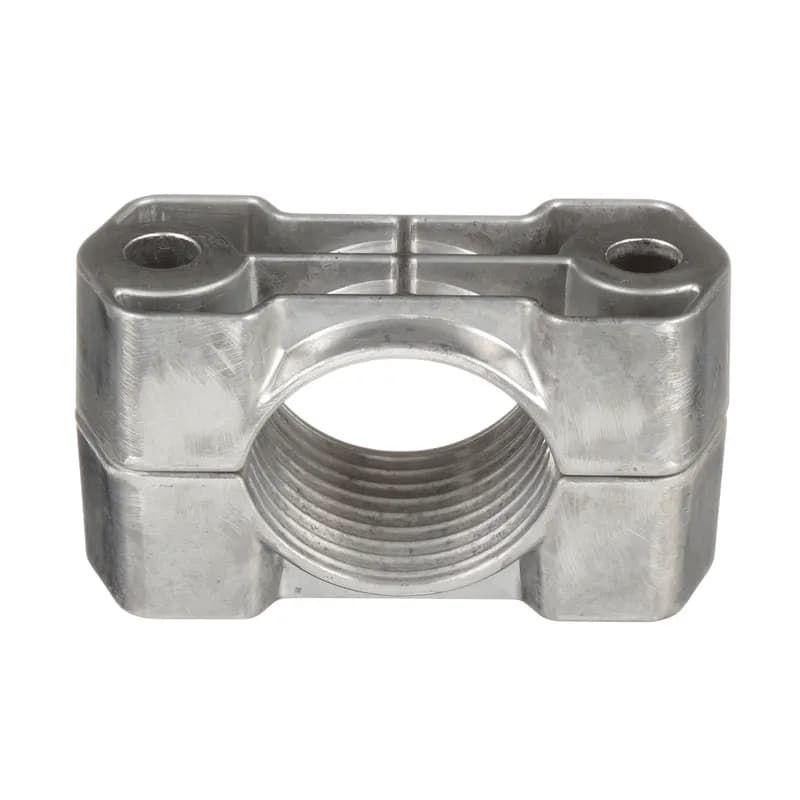
CCAL2H5870-X
The CCAL2H5870-X Two-Hole Aluminum Cable Cleat is ideal for medium to high short circuit faults in less corrosive environments. The cable cleat is certified to IEC 61914:2015, tested up to 131kA peak fault current and retains cables in the event of a short circuit fault. Compatible with cable diameter of 58-70mm and installs direct to the cable tray rung via fixing holes and user-supplied M10 bolts. Insulating spacers and washers sold separately for protection against galvanic corrosion.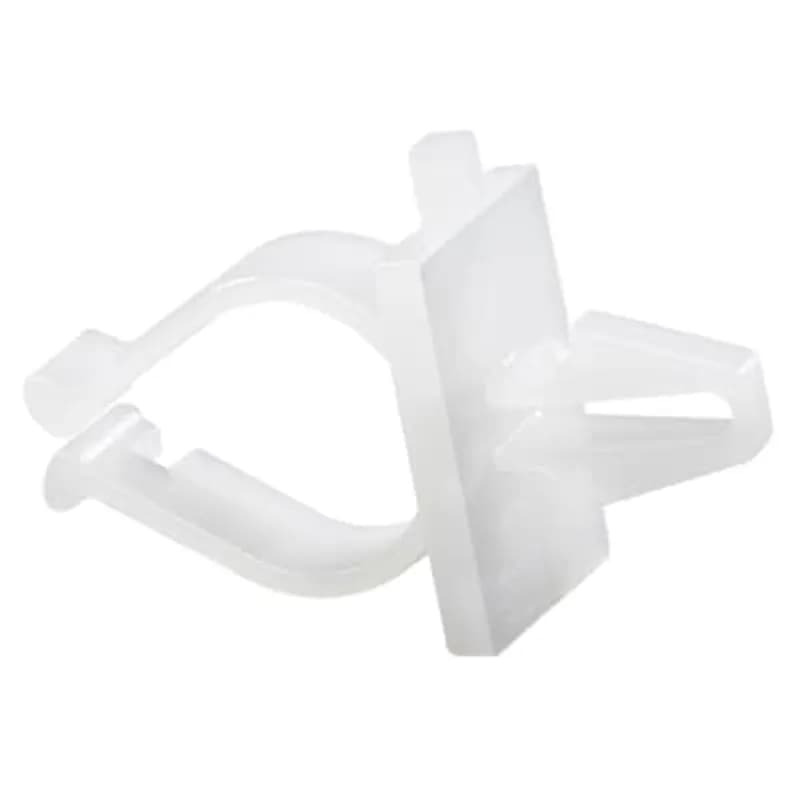
TC95
Mechanical-Locking Routing Clamp, Natural Nylon 6.6 for Temperatures up to 85 Celsius (185 F), Length of 19.1mm (0.75 Inches), Width of 12.7mm (0.50 Inches), Height of 22.6mm (0.89 Inches), Mounting Hole Size of 6.35mm (0.25 Inches), Clip or Glue Mounting Method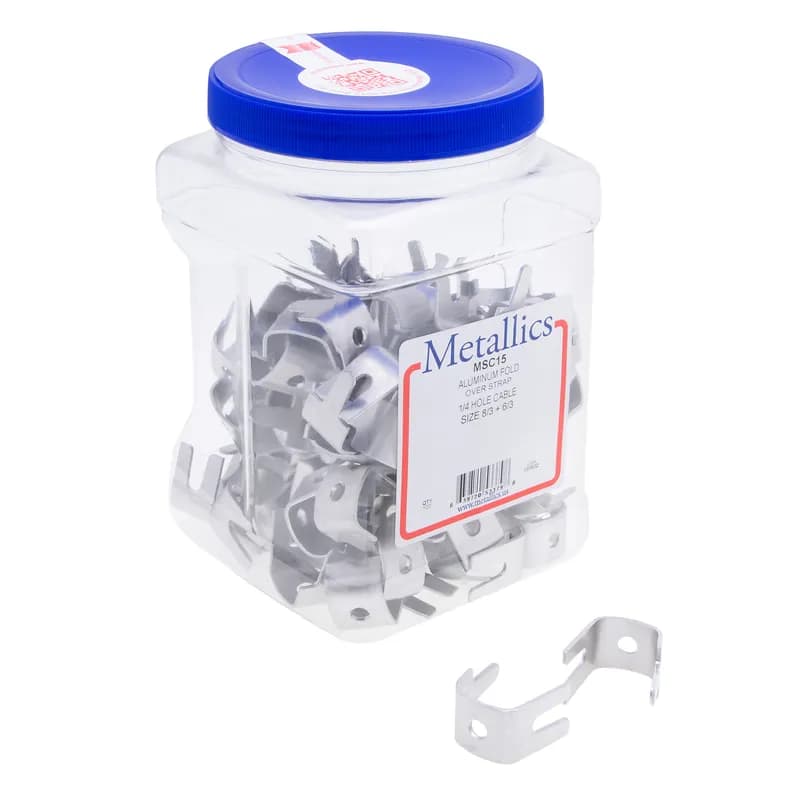

CCALTR6067-X
The CCALTR6067-X Aluminum Trefoil Cable Cleat is ideal for medium to high short circuit faults in less corrosive environments. The cable cleat is certified to IEC 61914:2015, tested up to 114kA peak fault current and retains cables in the event of a short circuit fault. Compatible with cable diameter of 60-67mm and installs direct to the cable tray rung via fixing hole and user-supplied M8 bolt. Insulating spacers and washers sold separately for protection against galvanic corrosion.
CCAL1H1316-X
The CCAL1H1316-X One-Hole Aluminum Cable Cleat is ideal for lower to medium short circuit faults in less corrosive environments. The cable cleat is certified to IEC 61914:2015, tested up to 93.4kA peak fault current and retains cables in the event of a short circuit fault. Compatible with cable diameter of 13 16mm and installs direct to the cable tray rung via fixing hole and user-supplied M10 bolt. Insulating spacers and washers sold separately for protection against galvanic corrosion.
CCAL1H1013-X
The CCAL1H1013-X One-Hole Aluminum Cable Cleat is ideal for lower to medium short circuit faults in less corrosive environments. The cable cleat is certified to IEC 61914:2015, tested up to 93.4kA peak fault current and retains cables in the event of a short circuit fault. Compatible with cable diameter of 10 13mm and installs direct to the cable tray rung via fixing hole and user-supplied M10 bolt. Insulating spacers and washers sold separately for protection against galvanic corrosion.
CCAL2H7083-X
The CCAL2H7083-X Two-Hole Aluminum Cable Cleat is ideal for medium to high short circuit faults in less corrosive environments. The cable cleat is certified to IEC 61914:2015, tested up to 131kA peak fault current and retains cables in the event of a short circuit fault. Compatible with cable diameter of 70-83mm and installs direct to the cable tray rung via fixing holes and user-supplied M10 bolts. Insulating spacers and washers sold separately for protection against galvanic corrosion.
CCAL1H1923-X
The CCAL1H1923-X One-Hole Aluminum Cable Cleat is ideal for lower to medium short circuit faults in less corrosive environments. The cable cleat is certified to IEC 61914:2015, tested up to 93.4kA peak fault current and retains cables in the event of a short circuit fault. Compatible with cable diameter of 19 23mm and installs direct to the cable tray rung via fixing hole and user-supplied M10 bolt. Insulating spacers and washers sold separately for protection against galvanic corrosion.Frequently Asked Questions
What is the primary purpose of Panduit cable cleats?
Panduit cable cleats are designed to secure cables during a short circuit fault, prioritizing safety and minimizing disruption and damage to personnel and property.
What industry standard do Panduit cable cleats meet?
Panduit cable cleats are tested to IEC 61914, which is the latest and most globally recognized cable cleat testing standard.
How quickly do Panduit cable cleats perform their function?
Panduit cable cleats perform their function within the first 0.005 second (at peak kA) during a short circuit fault, before a circuit breaker trips.
What materials are Panduit cable cleats made from?
Panduit cable cleats are available in Stainless Steel (316L), Aluminum, and Polymer materials.
How are Stainless Steel Trefoil Cable Cleats installed?
They can be installed after running cables using a Panduit mounting bracket or before running cables by installing them directly to the cable tray rung with an M8 bolt.
What is the cable diameter range for Stainless Steel Trefoil Cleats?
Stainless Steel Trefoil Cleats are available for cable diameters ranging from 0.79 to 2.72 inches (20 to 69mm).
What tools are used to install Stainless Steel Buckle Strap Cable Cleats?
The manually-operated BT2HTI (ratchet-style) and BT75SDT (screw drive mechanism) tools are used to tension and cut the buckle strap cleats.
How do Panduit mounting brackets simplify cable cleat installation?
Mounting brackets eliminate the need to drill holes through cable tray rungs and allow cleats to be affixed after the cable is run.
What protection is offered for Aluminum Cable Cleats against galvanic corrosion?
Insulating spacers and washers are available to protect against galvanic corrosion between dissimilar cable tray rung and aluminum cable cleat materials.
What is the cable diameter range for Aluminum Trefoil Cable Cleats?
Aluminum Trefoil Cable Cleats are available for cable diameters ranging from 0.91 to 2.95 inches (23 to 75mm).
How to Install the CCALTR6675-X Cable Cleat
This guide provides step-by-step instructions for installing the CCALTR6675-X cable cleat to securely support cables in a trefoil arrangement.
Estimated time: 45m
Tools needed:
Screwdriver, Wrench, Torque wrench
Supplies needed:
M8 bolts, Washers, Nylon locknuts, Clamping bolts
- Select the appropriate cleat and hardware
Contact Panduit Sales for assistance with selecting the correct cleat and hardware based on the diameter of the cables.
- Measure the ladder rung height
Measure the height of the ladder rung to determine if you will use a bracket or bolt for mounting. Refer to the provided chart for bracket selection if applicable.
- Mount the cleat using a bracket
Insert the bracket into the slot at the bottom of the cleat, slide the cleat over the rung until centered, and rotate the M6 swing bolt until it rests in the bracket opening. Tighten to 70 in-lbs [7.9Nm].
- Mount the cleat using a bolt
If using a bolt, position the cleat over the appropriate hole in the rung, assemble the securing bolt through the hole in the bottom of the cleat, and tighten to 60 in-lbs [6.8Nm].
- Secure the cables
Ensure the sides of the cleat are open, place the cables in a trefoil configuration, and close the sides around the cables. Assemble the included clamping bolt through the flange and tighten to 60 in-lbs [6.8Nm].
- Apply lubricant to prevent galling
To prevent galling of stainless steel fasteners, apply lubricant to the threads of the bolts before installation.
Frequently Asked Questions about Panduit
What environmental ratings do Panduit products have?
Panduit products feature comprehensive environmental ratings across multiple standards, including UL 508A Type 1, 2, 3, 4, 4X, 12, and 13; CSA Type 1, 2, 3, 4, 4X, 12, and 13; and NEMA Type 1, 2, 3, 4, 4X, 12, and 13. They meet IEC 60529 IP66 rating, providing robust protection against dust, water, and corrosion in both indoor and outdoor environments, with operating temperatures ranging from -40°C to 130°C.
What certifications and standards do Panduit products comply with?
Panduit products are certified to multiple critical industry standards, including UL (Underwriters Laboratories) in the USA and Canada, CSA (Canadian Standard Association), EN IEC 61386, LVD 2006/G5/EC, and ARRA standards. Our products meet rigorous certifications for electrical safety, environmental compliance (WEEE and RoHS), and are designed to perform in extreme temperatures ranging from -55°C to 105°C, making them suitable for demanding industrial environments.
What industries and applications are Panduit products used for?
Panduit products are engineered for critical applications across multiple industries, including commercial construction, food and beverage, oil and gas, renewable energy, transportation, and safety-critical environments. Their solutions span electrical infrastructure, wire management, cable ties, power connectors, and safety systems designed to withstand extreme conditions like high vibration, temperature variations, UV exposure, and corrosive agents. Key industries include solar and wind energy, aerospace, heavy trucking, military, commercial transportation, and industrial manufacturing.
What are the main product lines offered by Panduit?
Panduit offers a comprehensive range of electrical infrastructure products including power connectors, cable ties, grounding connectors, identification products, safety solutions, terminals, cable cleats, wiring duct, and cable tie accessories. These products are engineered for industrial environments across multiple sectors like commercial construction, food and beverage, oil and gas, renewable energy, transportation, and safety applications.
What are the key features of Panduit products?
Panduit products are engineered for robust performance in heavy-duty industrial environments, featuring a comprehensive range of solutions including cable ties, power connectors, terminals, and identification products. Key features include proven quality performance, subject matter expertise, and customer-driven innovation across multiple industrial sectors such as commercial construction, food and beverage, oil and gas, renewable energy, transportation, and safety applications. The product line is designed to maximize productivity, reliability, and safety while meeting stringent industry standards.
What is Panduit's warranty policy?
Panduit provides a comprehensive Limited Product Warranty that can be fully reviewed on their official website at www.panduit.com/warranty. All Panduit products are subject to the terms, conditions, and limitations of this current warranty. Customers are advised to review the specific warranty details for their particular product, as Panduit requires buyers to determine product suitability for their intended use and assumes all associated risks.
What technical support does Panduit offer?
Panduit offers comprehensive technical support through their dedicated customer service team, accessible via phone at 1-800-777-3300. They provide expert assistance for their full range of industrial infrastructure products, including cable ties, power connectors, terminals, and identification solutions. Customers can also access additional technical resources and product information through their website at www.panduit.com.
What accessories are available for Panduit products?
Panduit offers a wide range of accessories across multiple product lines, including cable ties, cable tie accessories, cable tie tools, identification products, cable cleats, grounding connectors, and VeriSafe accessories like the VeriSafe Network Module and Insulation Piercing Connectors. For a comprehensive view of all available accessories, customers are recommended to visit www.panduit.com for the full product catalog.
How are Panduit products typically installed?
Panduit products are engineered for comprehensive installation across industrial environments, utilizing specialized tools and techniques for precise mounting. Installation methods vary by product line - from cable ties and power connectors to terminals and identification solutions - but all are designed for robust performance in heavy-duty settings. Technicians typically use Panduit's dedicated installation tools and follow manufacturer guidelines available at www.panduit.com to ensure proper fitting and maximum infrastructure reliability.