Contact for Pricing
Overview
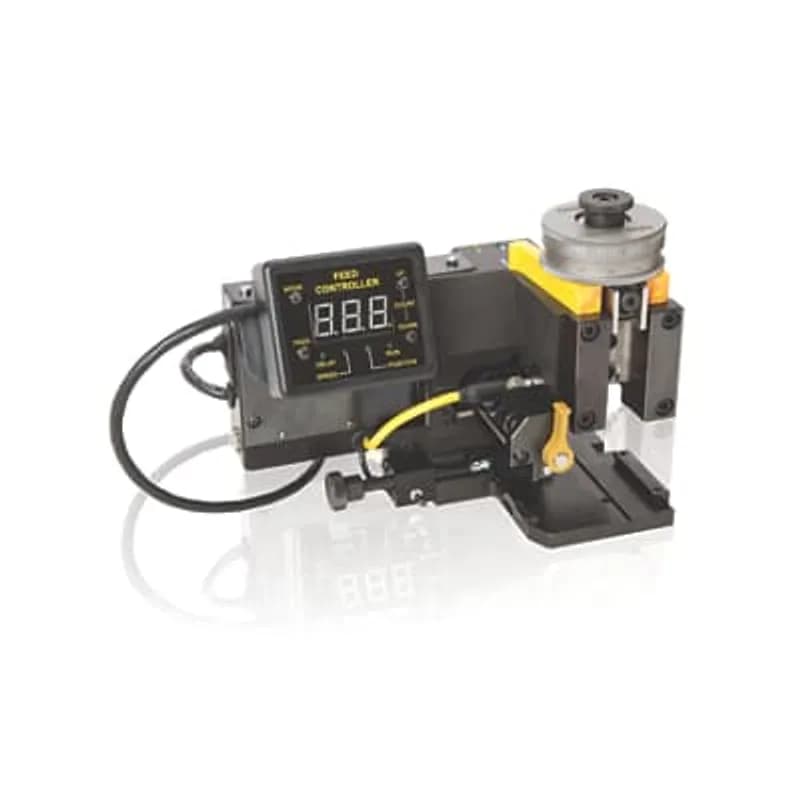
- Electric die for precise crimping of small electrical terminals.
- Designed to work with interchangeable tool packs for versatility.
- Ensures consistent and reliable terminal connections.
- Component from ABB Installation Products.
- Facilitates efficient electrical assembly and maintenance.
Specifications
Type | Electric Die |
Package Dimensions (L x W x H) | 0.01 IN x 0.01 IN x 0.01 IN |
Package Dimensions (L x W x H) | 0.0254 cm x 0.0254 cm x 0.0254 cm |
Package Weight (Imperial) | 12.8100 L |
Package Weight (Metric) | 5.8110 kg |
13682
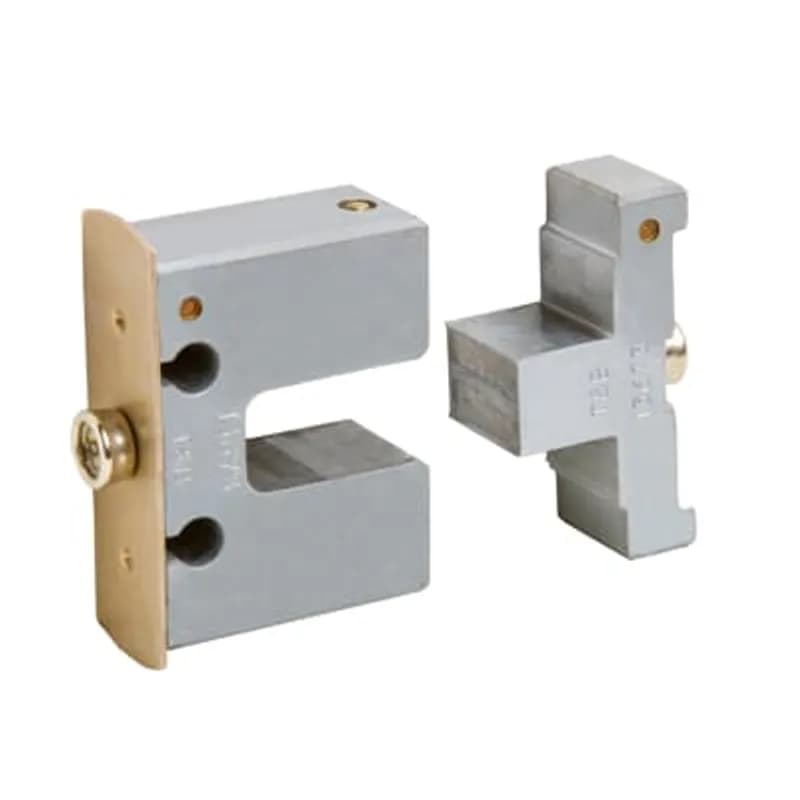
Die for 12 Ton 13400 or 13642M Hydrualic Tool for Crimping 204210MT Dragon Tooth Terminals, Brown. .301/.289 Gaging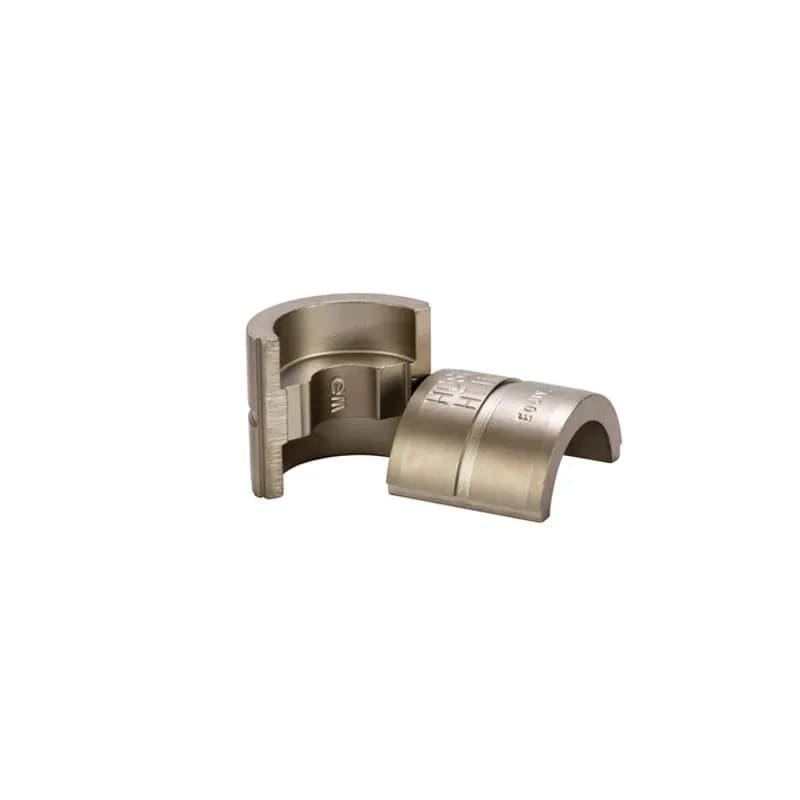
CD15A
U-Type Compression Die - White 300 MCM Copper - 4/0 AWG Aluminum U-Shaped Compression Dies are for use with the NSi-12 Compression Tool and Other Tools. See Cross-Reference Chart below.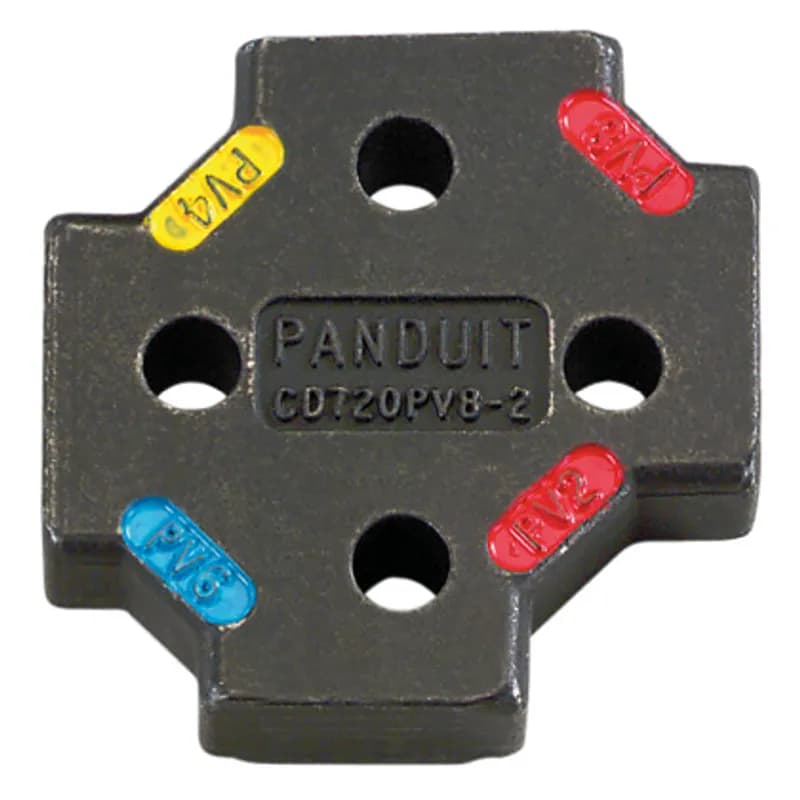


TNB177T02
Terminal Tool Pack Used with Electric Die, Crimps RB-Nylon and RB-Vinyl Terminals, #18 - #14 AWGTNB177D03
Disconnect Tool Pack Used with Electric Die, Crimps 250 Series Disconnects RC-Nylon and RC-Vinyl Terminals, #12 - #10 AWG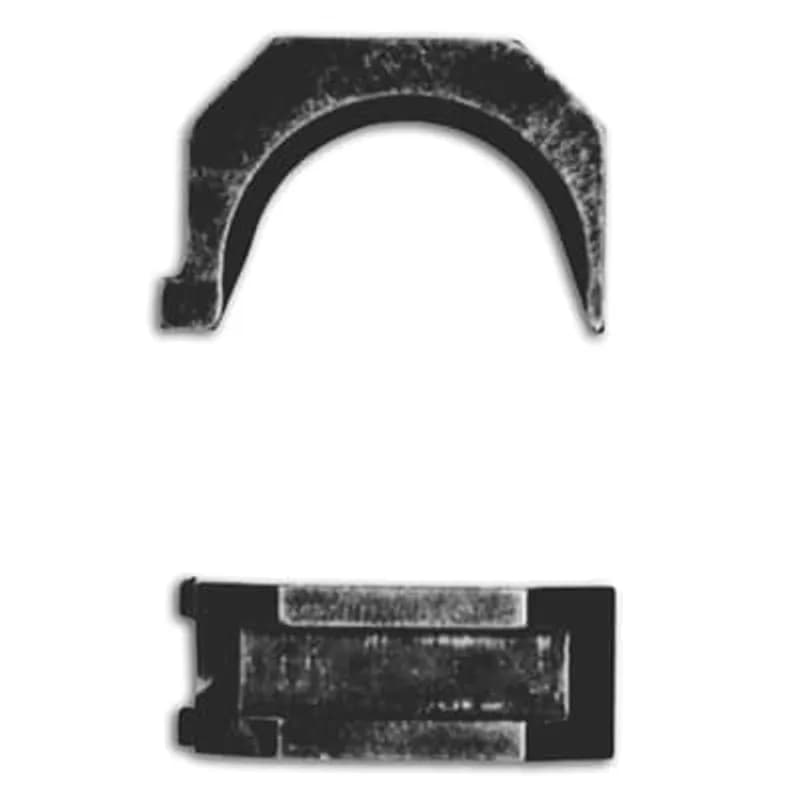
How to Install and Configure the QUICK-KON™ Automated Crimping System (TNB170-ELECDIE)
This guide provides step-by-step instructions for installing the Electric Die, Ram Tool, and Stock Guide, along with initial setup and calibration procedures for the TNB170-ELECDIE Automated Crimping System.
Estimated time: 45m
Tools needed:
M5 Hex Wrench
Supplies needed:
Thomas & Betts Tool Packs (purchased separately), Terminal or Disconnect Reel
- Observe Safety Precautions
Before operating or servicing the tool, always disconnect power and de-energize the unit. Wear eye protection and foot protection. Exercise caution when moving or lifting the Electric Die Assembly. Never place hands or other body parts between the crimping dies during operation.
- Install the Ram Tool
First, ensure the catalog number on the Ram Tool matches the Stock Guide. Push the Actuator up until it stops and remains in the up position. Install the Ram Tool into the Electric Die as shown in the manual. Tighten the Ram Fastener using the supplied M5 Hex Wrench. Verify that the top of the Ram Tool is flush below the Actuator.
- Install the Stock Guide Assembly
Disengage the Idler Release on the Automated Crimping System. Slide the Stock Guide assembly into place. Rotate the Locking Pin on the Stock Guide to secure it onto the Automated Crimping System.
- Align the Ram Tool and Stock Guide Jaws
Verify that the Ram Tool and the Stock Guide Jaws are aligned vertically. CAUTION: Failure to properly align the jaws will result in damage to the tool upon operation.
- Insert the Terminal Carrier Strip
WARNING: Turn off power to the Automated Crimping System and Press Assembly. Verify the installed Tool Pack is appropriate for the selected Terminal or Disconnect Reel. Place the selected Terminal or Disconnect Reel onto the Terminal Reel Support Arm of the Press Assembly. Position the press ram at the top of its stroke. Raise the Idler Release Switch to the disengaged position. Slide the Terminal or Disconnect Carrier Strip from the reel into the Automated Crimping System. Once the carrier strip is in place, lower the Idler Release Switch to engage the Idler Roller onto the Carrier Strip.
- Calibrate Crimp Settings
Set both the Conductor Dial and Insulator Dial to '0'. If applicable, close safety guards and restore power. Crimp a terminal/disconnect or a 1/4” diameter solder. Measure the crimp height and compare the values to the layout provided with the appropriate Tool Pack. Record these settings for future use. IMPORTANT: Recommended crimp height settings are provided with tool packs; calibrate per these instructions.
- Adjust Feed Control Modes
Use the 'MODE' button on the feed control screen display to select the desired mode (Speed, Position, or Delay). Adjust the mode values using the 'UP/FEED' and 'DOWN' buttons. Calibrate the Speed of the carrier strip (9 selections from 6.35 to 76.2 mm/sec), the Position for left-to-right adjustments of the terminal relative to the tooling (±50 values, each 0.001" shift), and the Delay between the feed cycle trigger and start (9 selections from 0.2 to 5 seconds).
- Adjust Wire Stop Depth and Height
Adjust the Wire Stop to the desired position using the depth and height adjustment screws located at the back end of the Stock Guide. For bench top presses, this sets the wire insertion depth. For automated presses, it aids in terminal removal from ram tooling.
- Calibrate Terminal Sensor Position
Set the position mode to '0' (refer to section 6, step 6.4 in the manual). Loosen the terminal sensor lock screws. Adjust the sensor left or right to move the terminal/disconnect position accordingly. Tighten the screws. Visually confirm that the center of the terminal/disconnect is aligned with the tooling.
- Verify System Status Indicators
Observe the LEDs on the Automated Crimping System. The Power Supply indicator (15V) should light up green when power is on. The TS LED should toggle on-off as terminals pass the terminal sensor. The RS LED should toggle on-off as the Ram moves up and down.
- Install Optional Funnel Kit Assembly
If using the optional TNB197 Funnel Kit, first place and secure the wire guide assembly. Then, locate the funnel kit onto the tool pack and align its pins with the wire guide slots. Finally, connect the air lines to the assembly.
Frequently Asked Questions about ABB - Installation Products
How are Thomas and Betts products typically installed?
Thomas and Betts products are installed using a variety of methods tailored to specific applications, including the use of flexible cords and cable fittings, non-metallic cable glands, and armored cable fittings. Proper selection of fittings is crucial to match the cable type and installation environment, ensuring durability and preventing physical damage. Tools such as the Blackburn® Comfort Crimp® and HEX-FLEX® systems enhance installation efficiency and reliability, reducing labor time and ensuring secure connections.
What accessories are available for Thomas and Betts products?
Thomas and Betts offers a comprehensive range of accessories for their products, including various cord and cable fittings, non-metallic cable glands, service entrance cable fittings, and armored cable fittings. Their accessories are designed to enhance installation efficiency and ensure compatibility with different cable types and environmental conditions, providing reliable connections for a wide array of applications.
What environmental ratings do Thomas and Betts products have?
Thomas and Betts products feature robust environmental ratings, including NEMA Type 1, 2, 3, 4, 4X, 12, and 13 certifications, as well as IEC 60529 IP66 protection. These ratings ensure that their products are designed to withstand harsh industrial environments, with capabilities to resist dust, water, and corrosion, and operate effectively in a wide temperature range.
What communication protocols do Thomas and Betts products support?
Thomas and Betts products support a wide range of industrial communication protocols, including Ethernet, DeviceNet, PROFIBUS, Modbus, CANopen, and others. This extensive compatibility ensures seamless integration and reliable communication across various industrial automation systems, catering to diverse application needs.
What are the key features of Thomas and Betts products?
Thomas and Betts products are known for their innovative designs, high performance, and compliance with industry standards such as the National Electrical Code and Underwriters' Laboratories. They offer a comprehensive range of rugged and reliable electrical fittings, including liquidtight and dust-tight connections, which enhance installation efficiency and reduce overall project costs. Their products are engineered for durability in harsh environments, ensuring long-term reliability and lower installed costs.
What are the main product lines offered by Thomas and Betts?
Thomas and Betts offers a comprehensive range of product lines including electrical connectors, cable management systems, grounding and bonding solutions, and industrial automation components. Their products are designed for durability and reliability in demanding industrial environments, ensuring optimal performance and safety across various applications.
What technical support does Thomas and Betts offer?
Thomas and Betts offers comprehensive technical support, including access to field application engineers for onsite training and installation assistance. Their technical support staff is available to address inquiries related to product specifications and installation practices, ensuring optimal performance and safety of electrical systems. Additionally, they provide a variety of training programs to enhance the knowledge and skills of users in the field.
What industries and applications are Thomas and Betts products used for?
Thomas and Betts products are utilized across various industries including electrical construction, industrial automation, telecommunications, and utilities. Their extensive range of cord and cable fittings, electrical boxes, and metal framing systems are designed for applications that require durability and reliability in harsh environments, ensuring optimal performance in both permanent and temporary installations.
What certifications and standards do Thomas and Betts products comply with?
Thomas and Betts products comply with critical international certifications including UL (Underwriters Laboratories), CSA (Canadian Standards Association), and CE (European Community). Our products are designed to meet rigorous industrial standards such as NEMA enclosure ratings and IEC 60529 IP ratings, ensuring safety and reliability across various industrial applications.
What are the main product lines offered by Ocal?
Ocal offers a comprehensive range of corrosion-resistant conduit systems, including PVC-coated conduit and fittings, conduit bodies, hazardous location fittings, and strut accessories. Their products are designed to provide superior corrosion protection, featuring a hot-dipped galvanizing process and UL listed Type 4X PVC-coated conduit bodies, ensuring durability in the most demanding environments.