
Contact for Pricing
Overview
- 15/25 kV Voltage Rating for medium-voltage applications
- 200 Amp Current Rating for substantial power handling
- Designed for #1 Stranded Wire
- Secure Crimp Connection Type
- ABB Installation Products quality and reliability
Specifications
Application | 15/25 kV, 200 Amps |
Connection | Compression |
Connection Type | Crimp |
Current Rating | 200 A |
Size | #1 Stranded |
Temperature Rating, Maximum | 149 F |
Temperature Rating, Maximum | 65 C |
Temperature Rating, Minimum | -40 F |
Temperature Rating, Minimum | -40 C |
Type | Straight Replacement Contact |
Voltage Rating | 15/25 kV |
Package Dimensions (L x W x H) | 0.01 IN x 0.01 IN x 0.01 IN |
Package Dimensions (L x W x H) | 0.0254 cm x 0.0254 cm x 0.0254 cm |
Package Weight (Imperial) | 0.1100 L |
Package Weight (Metric) | 0.0500 kg |

171-SV18-18
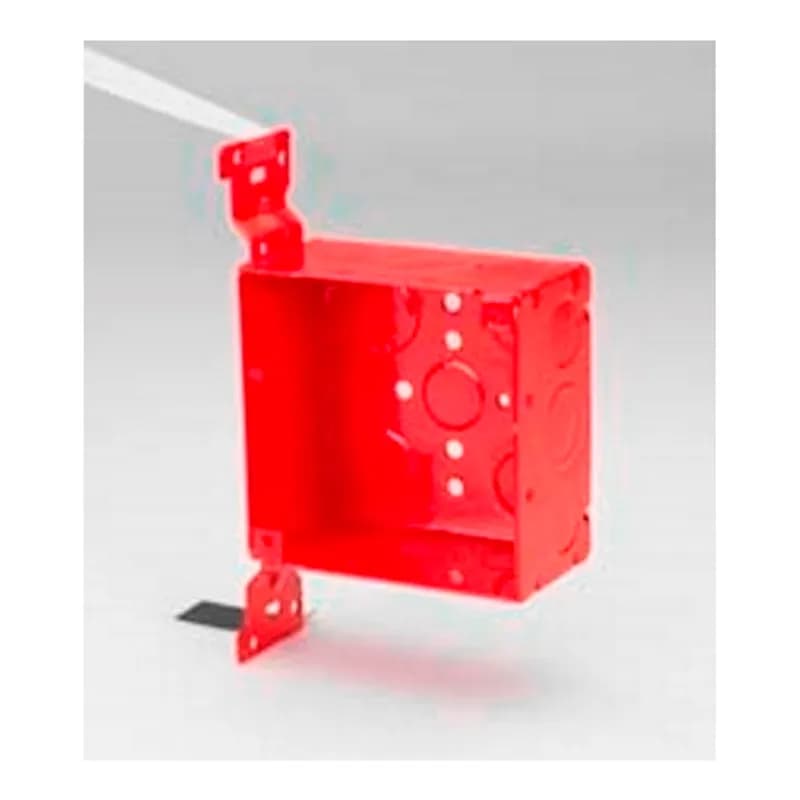
Pre-assembly with 18 inch vertical mounting bracket, 4 inch pre-galvanized steel square box, box depth-2-1/8 inch, 3/4 inch raised two device box cover and pre-installed pigtail.
151-SRC-30AX
200 Amp, 15/25kV, Straight Receptacle Pin Contact and Crimp Barrel Assembly. Wire Size 3/0 Stranded.151-SRC-40AX
200 Amp, 15/25kV, Straight Receptacle Pin Contact and Crimp Barrel Assembly. Wire Size 4/0 Stranded.
52171 3/4P
Square Box, 30.3 Cubic Inches, 4 Inch Square x 2-1/8 Inches Deep, 3/4 Inch Knockouts, Pre-Galvanized Steel, Welded Construction, with 10-1/2 Inch #12 AWG Solid Ground Wire Pigtail, For use with Conduit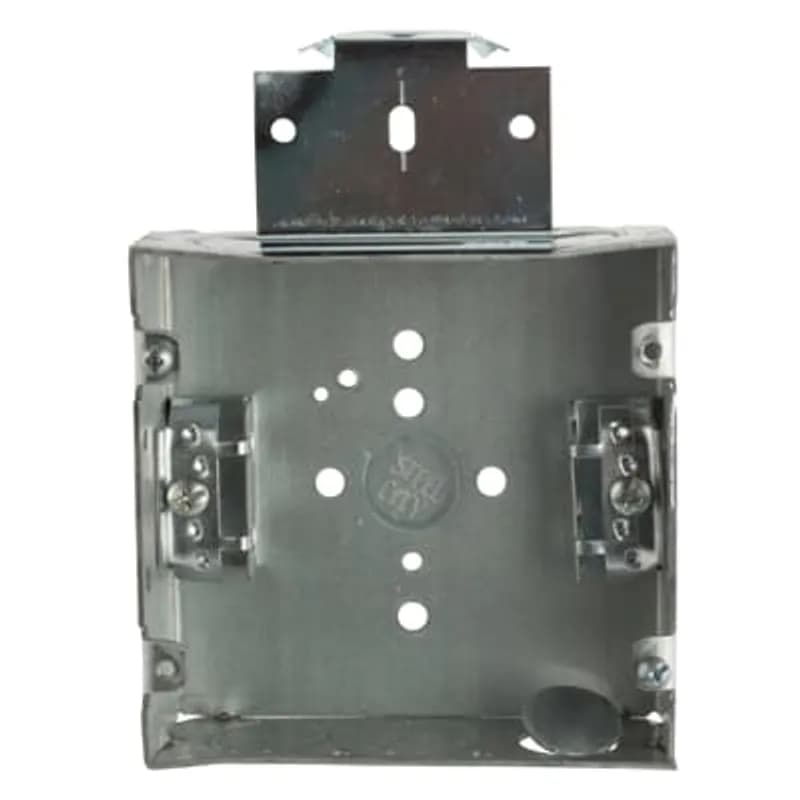
72151MSP
Square Box, 29.5 Cubic Inches, 4-11/16 Inches Square x 1-1/2 Inches Deep, 1/2 Inch and 3/4 Inch Eccentric Knockouts, Pre-Galvanized Steel, Welded Construction, with Metal Stud Bracket and 10-1/2 Inch #12 AWG Solid Wire Pigtail, For use with ConduitHow to Install the 151SR/K151SR Straight Receptacle
This guide provides step-by-step instructions for the safe and proper installation of the 151SR/K151SR Straight Receptacle, designed for connecting solid dielectric type cables to one another or to electrical apparatus. Ensure all apparatus are de-energized before beginning installation.
Estimated time: 1h
Tools needed:
Wire strippers, Wire brush, Crimping tool, Rag
Supplies needed:
Straight Receptacle, Conductor Contact (male), Nylon Venting Rod, Lubricant, Crimp Chart, #14 AWG copper wire (customer supplied), Approved solvent, Elastimold bail (if connecting to a mating plug), HV insulated cap(s) or connector(s) (if replacing shipping cover)
- Perform Initial Safety Checks and Preparation
DANGER: All apparatus must be de-energized during installation or removal of parts. Inspect all components for damage, proper rating, and compatibility with mating parts. Ensure all required tools are at hand and maintain cleanliness throughout the procedure. If the product was supplied with a protective shipping cover, remove it and replace with the appropriate HV insulated cap(s) or connector(s) before submerging or energizing the circuit.
- Prepare Cable Jacket
For jacketed concentric neutral cable, cut and remove the cable jacket a distance of 8 inches from the cable end. Ensure sufficient concentric neutral wires are allowed for connecting to the ground point. For copper tape shield cable, cut and remove the cable jacket a distance of 7 1/2 inches from the cable end, then remove the copper tape shield a distance of 6 1/2 inches from the end of the cable. If using an ECS or MA grounding device, follow its specific instructions for outer jacket cut back.
- Prepare Cable Insulation and Conductor
Remove 7/8 inch to 1 inch of cable insulation and conductive shield. For #1 stranded/compressed and #1/0 compressed/solid aluminum cable, remove 1 3/4 inches to 1 7/8 inches. Cut squarely, do not pencil. Wire brush bare aluminum conductors and immediately insert them into the crimp barrel, which contains inhibitor.
- Crimp Socket Terminal
Crimp the socket terminal onto the bared conductor, ensuring the conductor remains fully seated in the connector. Refer to the crimp chart packed with the contact for specific instructions. Start the crimps at the crimp line imprinted on the crimp barrel and rotate each successive crimp or indent 90 degrees. If using aluminum cable, carefully wipe any excess inhibitor from the contact and cable insulation.
- Prepare Semi-conductive Shield and Clean Insulation
Remove the semi-conductive shield to a point 7 9/16 inches to 7 5/8 inches back from the end of the pin with a straight, smooth, squared cut. DO NOT CUT OR NICK THE INSULATION. Pencil the insulation 1/8 inch. Clean the outer jacket and thoroughly clean the insulation to remove all traces of semi-conducting residue by wiping with a rag wet with an approved solvent. Always wipe from the end of the cable toward the outer jacket. If using an ECS or MA grounding device, install it following its appropriate instructions.
- Lubricate Receptacle and Cable
Remove the protective cap from the straight receptacle. Keep the cable insulation and receptacle clean. Apply the supplied lubricant sparingly to the cable as shown in the product documentation and to the inside of the housing. DO NOT SUBSTITUTE other lubricants, as they may be harmful to this product or its mating product.
- Insert Cable into Receptacle Housing
Push the prepared cable into the receptacle housing until the base of the pin chamfer is flush with the inside face of the receptacle. IMPORTANT: If the receptacle is not to be immediately connected, replace the protective cover. Note that the shipping cover offers protection from dirt only and is not an insulating device; if an insulating device is required, obtain an Elastimold insulating plug (K150DP).
- Connect to a Mating Plug (If Applicable)
If connecting to a mating plug, first lubricate the nose of the plug with silicone grease. Place the nylon rod into the receptacle face until it bottoms (approximately 1 3/4 inches), taking care not to cut the rod. Insert the plug assembly into the receptacle as far as possible. Pull out the nylon rod. Finally, secure the electrical connection with the aid of an Elastimold bail.
- Perform Cable Grounding
If an ELASTIMOLD grounding device is not being used, connect a length of #14 AWG (or equivalent) copper wire (customer supplied) through the grounding tab and twist tightly as shown in the product documentation. Then, connect the grounding assembly of the connector to the system ground by merging it with the cable shield of each cable. Seal the grounding wires and connections to prevent corrosion.
Frequently Asked Questions about ABB - Installation Products
How are Thomas and Betts products typically installed?
Thomas and Betts products are installed using a variety of methods tailored to specific applications, including the use of flexible cords and cable fittings, non-metallic cable glands, and armored cable fittings. Proper selection of fittings is crucial to match the cable type and installation environment, ensuring durability and preventing physical damage. Tools such as the Blackburn® Comfort Crimp® and HEX-FLEX® systems enhance installation efficiency and reliability, reducing labor time and ensuring secure connections.
What accessories are available for Thomas and Betts products?
Thomas and Betts offers a comprehensive range of accessories for their products, including various cord and cable fittings, non-metallic cable glands, service entrance cable fittings, and armored cable fittings. Their accessories are designed to enhance installation efficiency and ensure compatibility with different cable types and environmental conditions, providing reliable connections for a wide array of applications.
What environmental ratings do Thomas and Betts products have?
Thomas and Betts products feature robust environmental ratings, including NEMA Type 1, 2, 3, 4, 4X, 12, and 13 certifications, as well as IEC 60529 IP66 protection. These ratings ensure that their products are designed to withstand harsh industrial environments, with capabilities to resist dust, water, and corrosion, and operate effectively in a wide temperature range.
What communication protocols do Thomas and Betts products support?
Thomas and Betts products support a wide range of industrial communication protocols, including Ethernet, DeviceNet, PROFIBUS, Modbus, CANopen, and others. This extensive compatibility ensures seamless integration and reliable communication across various industrial automation systems, catering to diverse application needs.
What are the key features of Thomas and Betts products?
Thomas and Betts products are known for their innovative designs, high performance, and compliance with industry standards such as the National Electrical Code and Underwriters' Laboratories. They offer a comprehensive range of rugged and reliable electrical fittings, including liquidtight and dust-tight connections, which enhance installation efficiency and reduce overall project costs. Their products are engineered for durability in harsh environments, ensuring long-term reliability and lower installed costs.
What are the main product lines offered by Thomas and Betts?
Thomas and Betts offers a comprehensive range of product lines including electrical connectors, cable management systems, grounding and bonding solutions, and industrial automation components. Their products are designed for durability and reliability in demanding industrial environments, ensuring optimal performance and safety across various applications.
What technical support does Thomas and Betts offer?
Thomas and Betts offers comprehensive technical support, including access to field application engineers for onsite training and installation assistance. Their technical support staff is available to address inquiries related to product specifications and installation practices, ensuring optimal performance and safety of electrical systems. Additionally, they provide a variety of training programs to enhance the knowledge and skills of users in the field.
What industries and applications are Thomas and Betts products used for?
Thomas and Betts products are utilized across various industries including electrical construction, industrial automation, telecommunications, and utilities. Their extensive range of cord and cable fittings, electrical boxes, and metal framing systems are designed for applications that require durability and reliability in harsh environments, ensuring optimal performance in both permanent and temporary installations.
What certifications and standards do Thomas and Betts products comply with?
Thomas and Betts products comply with critical international certifications including UL (Underwriters Laboratories), CSA (Canadian Standards Association), and CE (European Community). Our products are designed to meet rigorous industrial standards such as NEMA enclosure ratings and IEC 60529 IP ratings, ensuring safety and reliability across various industrial applications.
What are the main product lines offered by Ocal?
Ocal offers a comprehensive range of corrosion-resistant conduit systems, including PVC-coated conduit and fittings, conduit bodies, hazardous location fittings, and strut accessories. Their products are designed to provide superior corrosion protection, featuring a hot-dipped galvanizing process and UL listed Type 4X PVC-coated conduit bodies, ensuring durability in the most demanding environments.